Britain, Bottom to Top: History and Wild Beauty 🏴🏴🏴
For our 30th anniversary, Coy and I decided to do something we’d never done together: rent a car and drive the length of Britain, bottom to top. We landed at London Heathrow and, over the next two and a half weeks, worked our way north - through England, into Wales, up the spine of the Lake District, across the Scottish Highlands and the Isle of Skye, and finally into Edinburgh, where we flew home.
It was the perfect trip for the two of us, because it had a little of everything we love. I got a trail race in Snowdonia. Coy got golf - and one of the biggest reasons we chose the UK at all was the Old Course at St Andrews, the home of golf, which had sat at the very top of his bucket list. We both got more history, whisky, sheep, and dramatic weather than we knew what to do with.
Here’s how it went.
Where the Romans Beat Us To It - Stonehenge & Bath
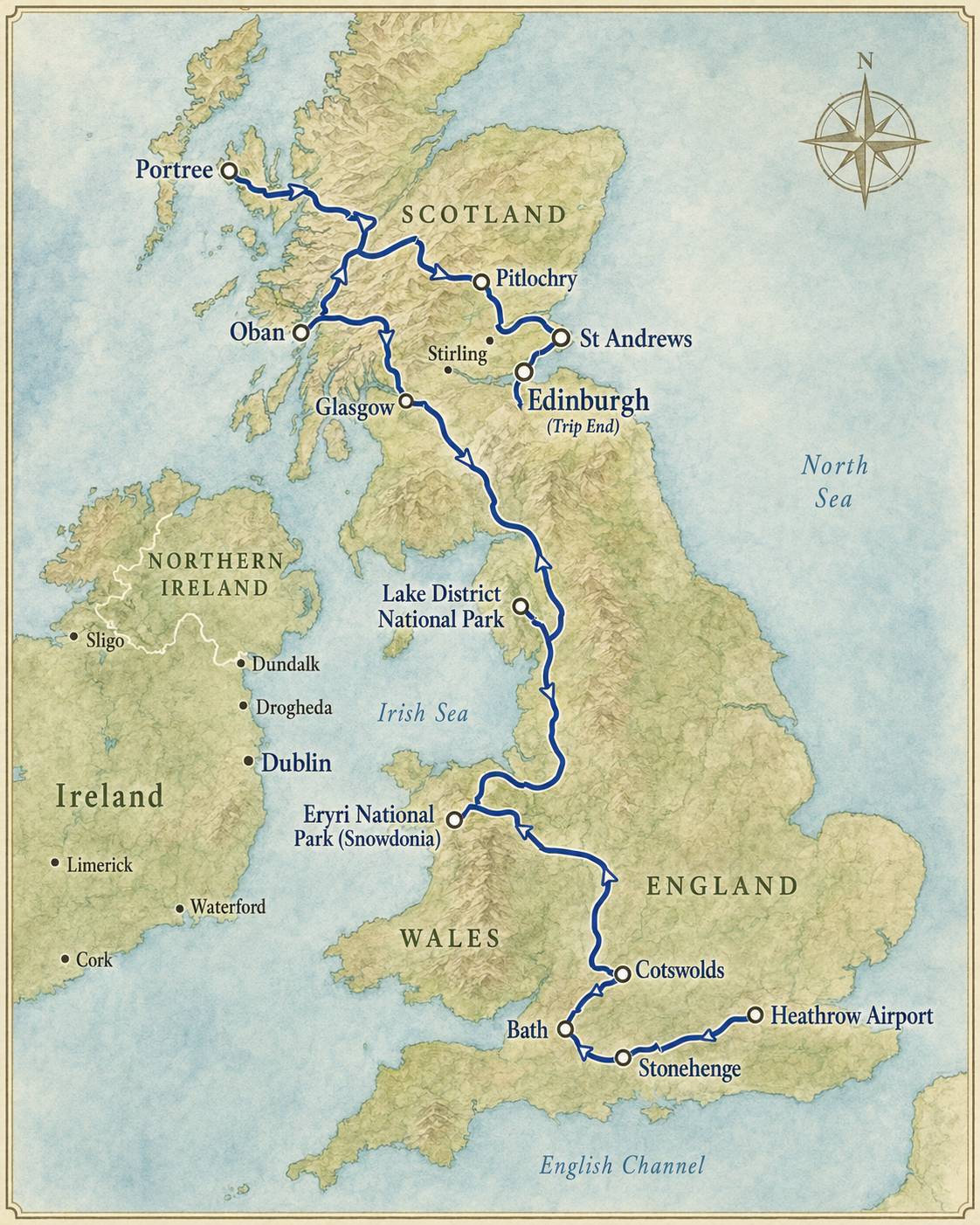
We picked up the rental car at Heathrow and pointed it straight at Stonehenge, which felt like the right way to begin a trip about history. Standing in front of stones that were ancient before the Romans even arrived is a strange, humbling feeling. You drive up through ordinary English countryside and then - there they are.
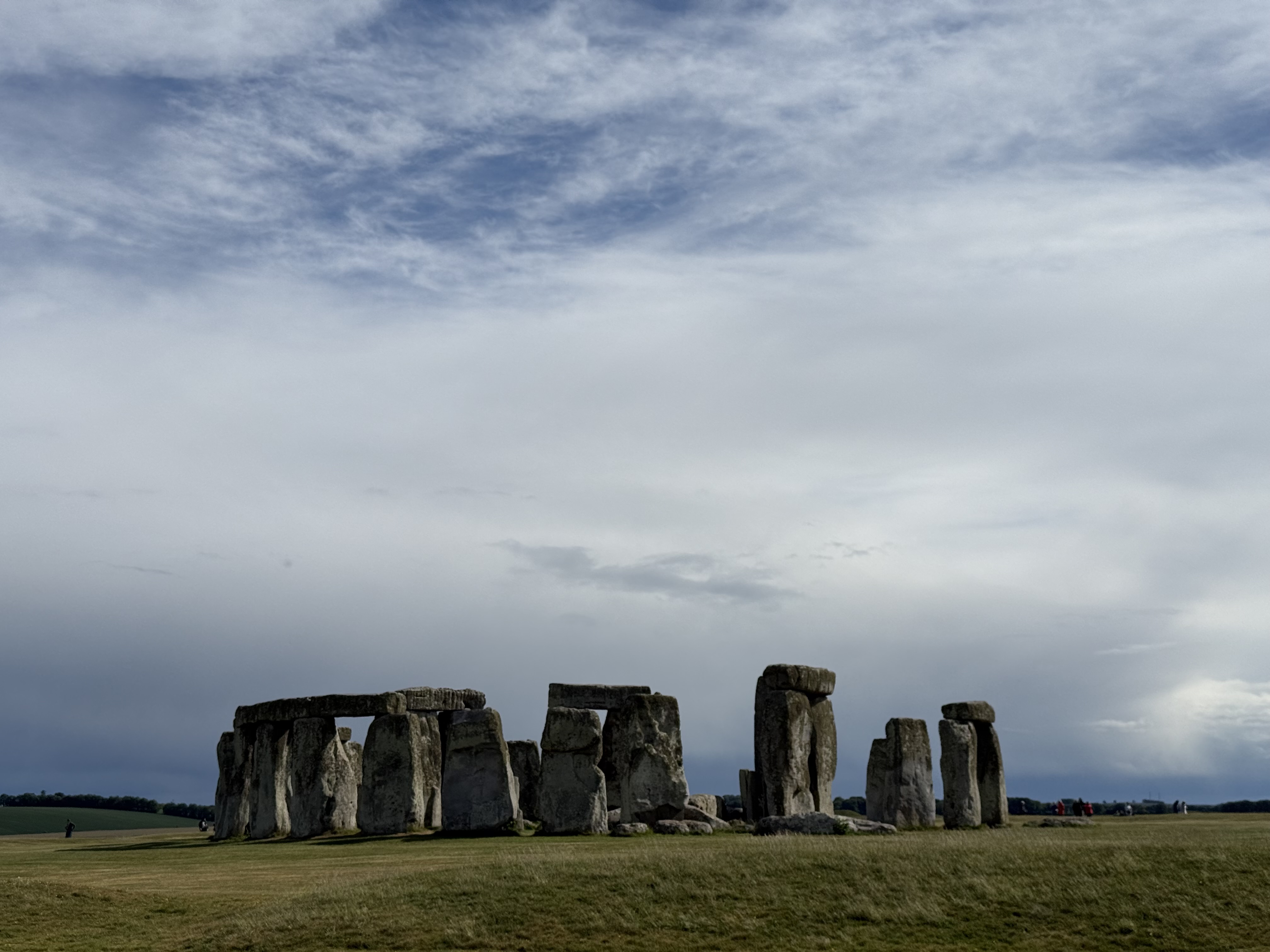
That night we stayed at the Gainsborough Bath Spa, the only hotel in Bath with access to the natural thermal waters, and the next morning we went to the Roman Baths themselves.
This is where I had my favorite realization of the whole trip. Walking through the ruins, you see that the Romans had a gym, a sauna, and a massage room. Two thousand years ago. What? Nothing has changed. We still go to spas to sweat, soak, and get rubbed down - they just did it with better mosaics.
Storybook England - The Cotswolds
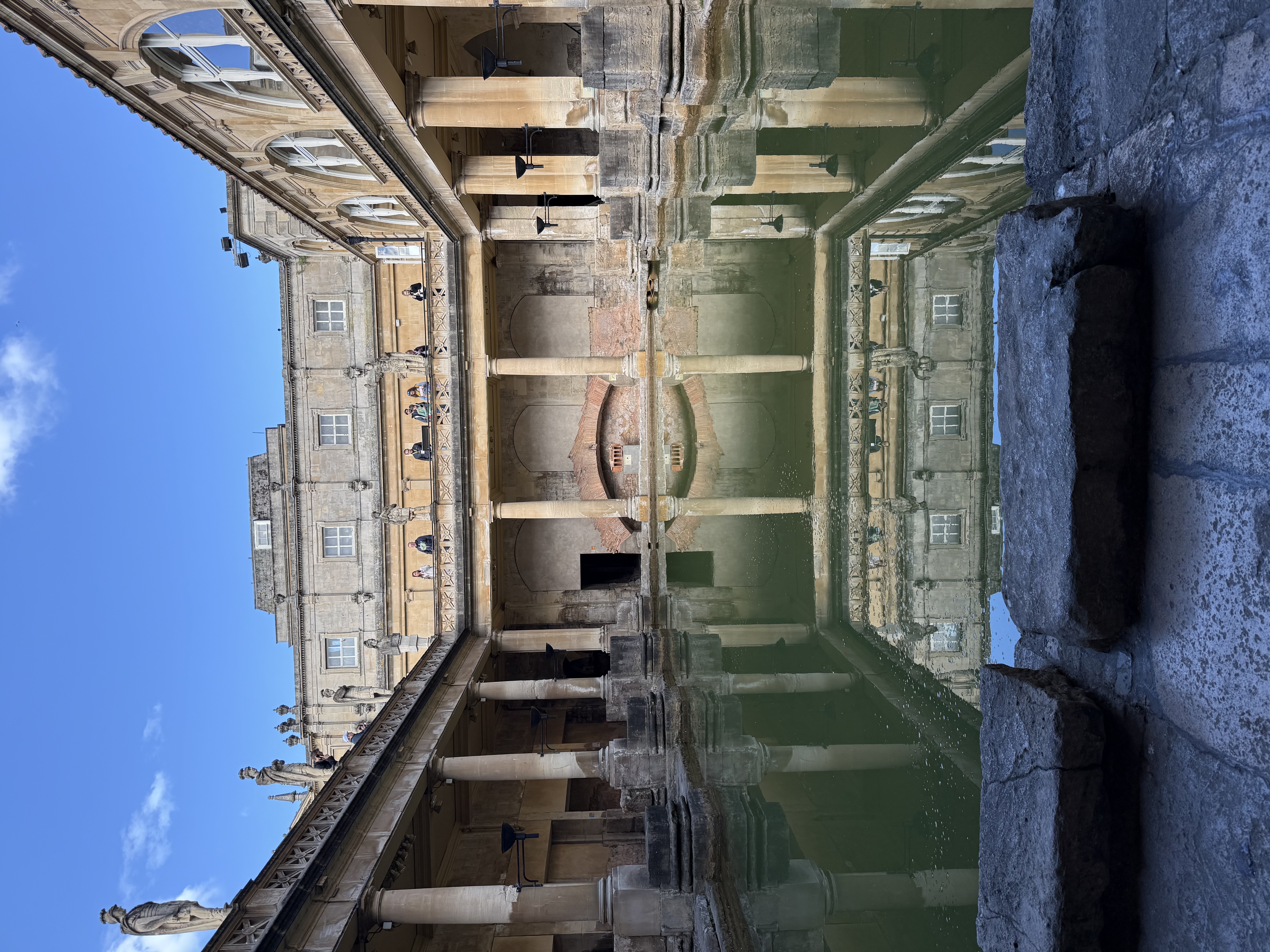
From Bath it’s a short, gorgeous drive into the Cotswolds, which look exactly like the postcards: honey-colored stone cottages, rolling green lanes, and stiles you climb over on a walk. We stayed at The Pig in the Cotswolds, I went for a short jog through the lanes, and Coy squeezed in a round at Cirencester Golf Club.
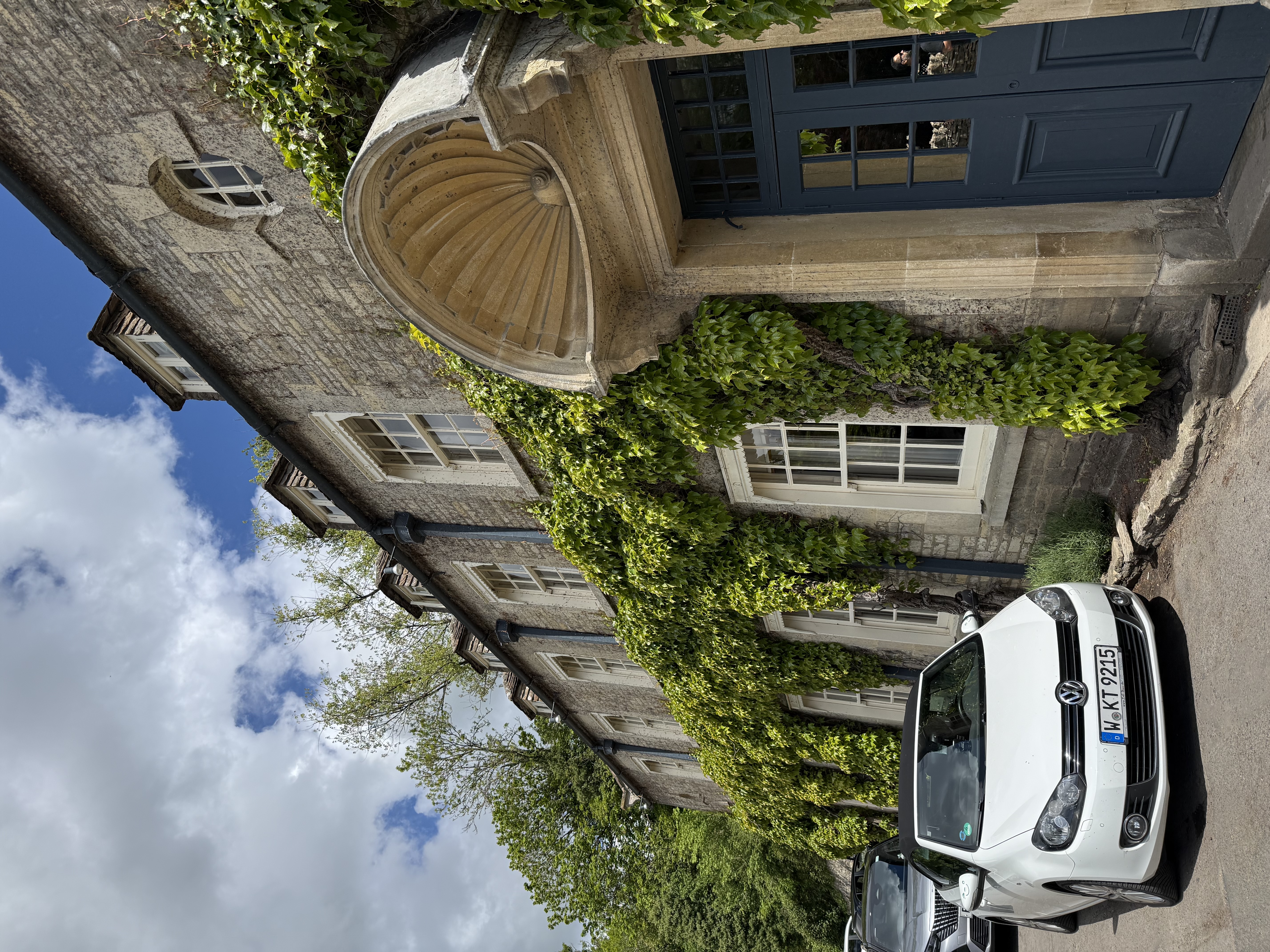
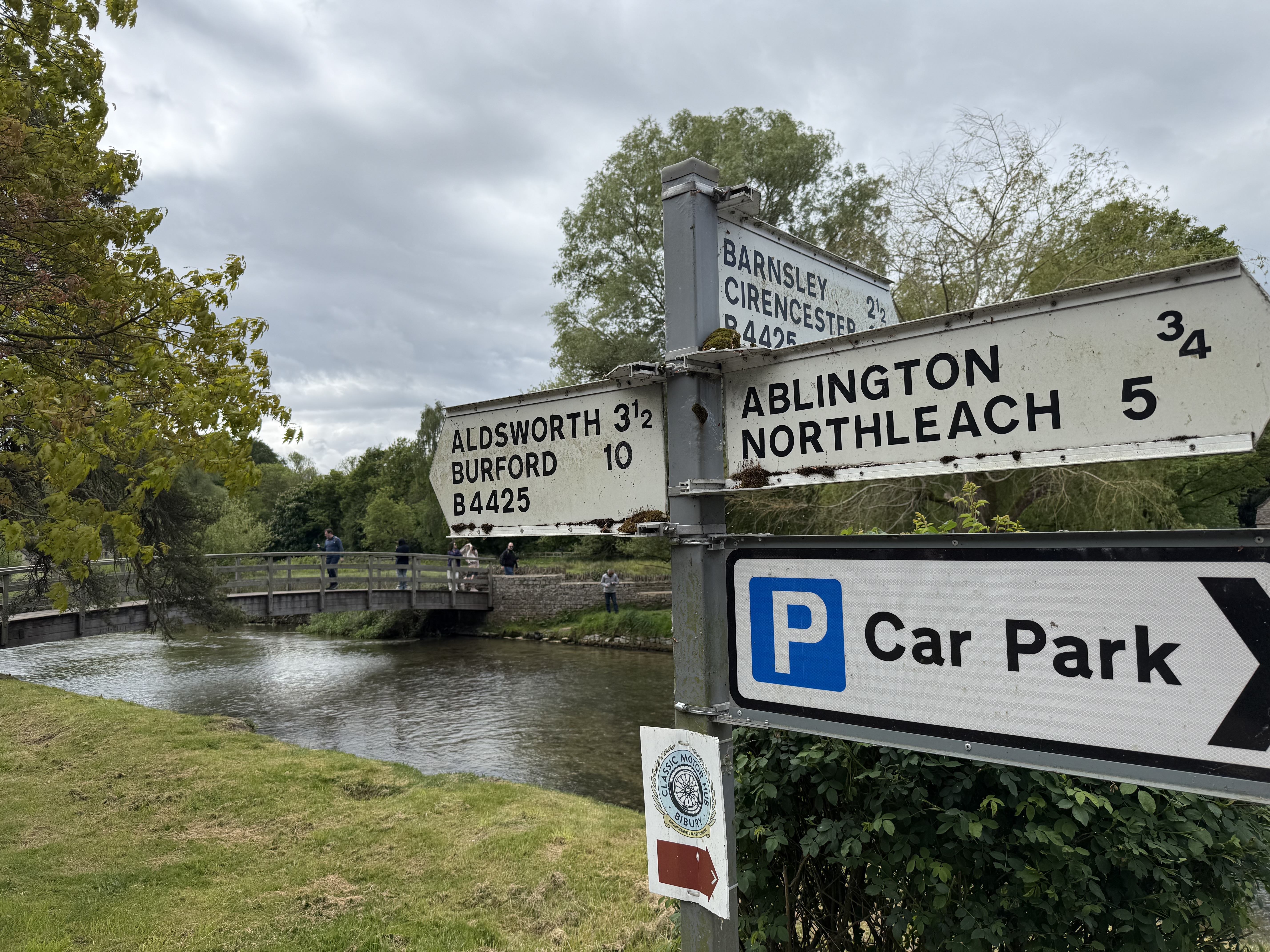
Little things kept charming us. The signposts, for one - “Car Park,” not “parking lot.” You’re reminded constantly that you’re in British English now.
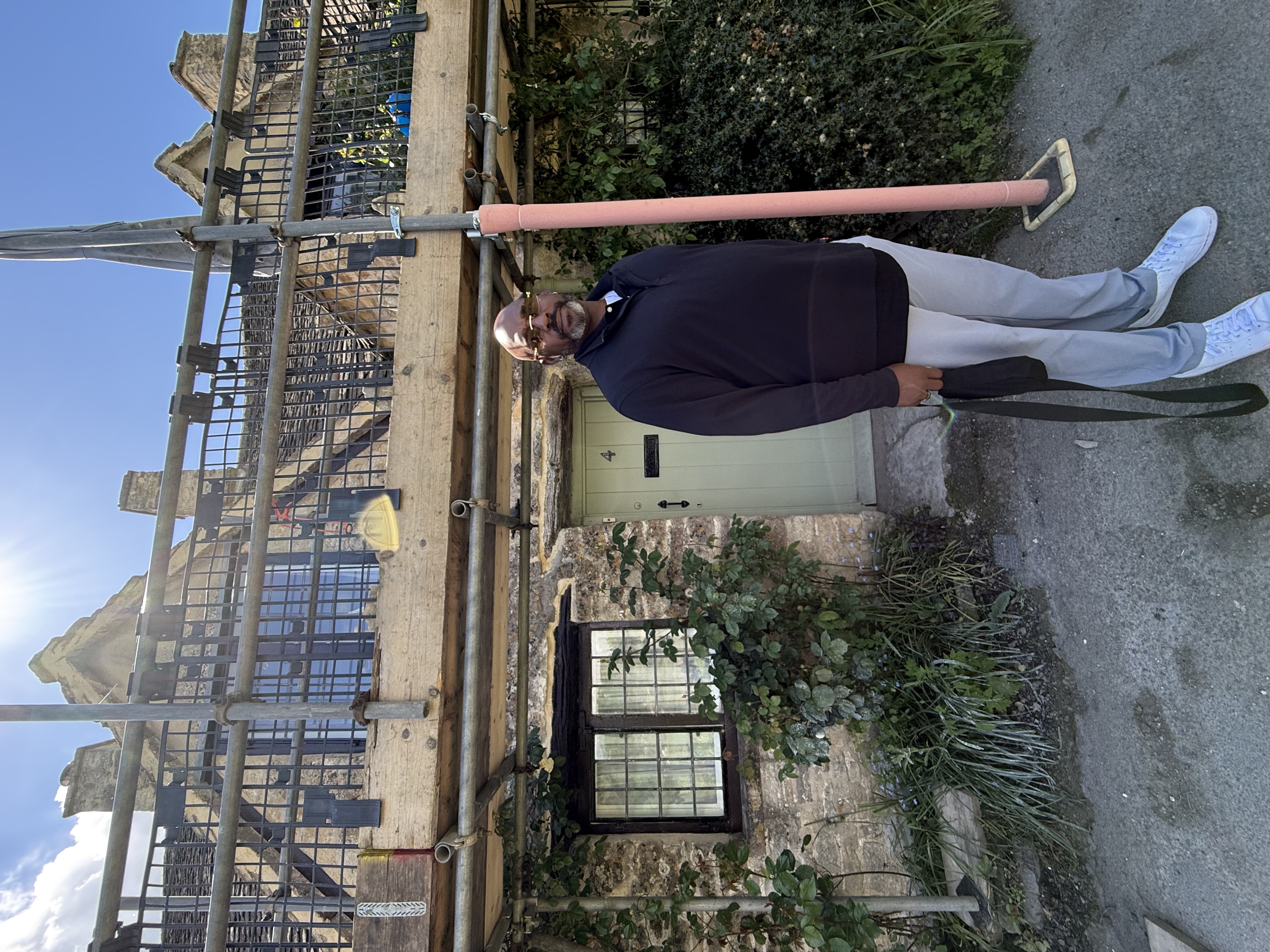
Inside the old cottages, the ceilings are low. My first thought was that people must have been shorter back then 🙂 - but no. The low ceilings are about energy efficiency. Smaller rooms with lower ceilings are far easier to heat, which matters a lot when you’re getting through a British winter on a fireplace. We’d see this idea again and again the further north we went.
Into Wales - Eryri (Snowdonia) & My Race
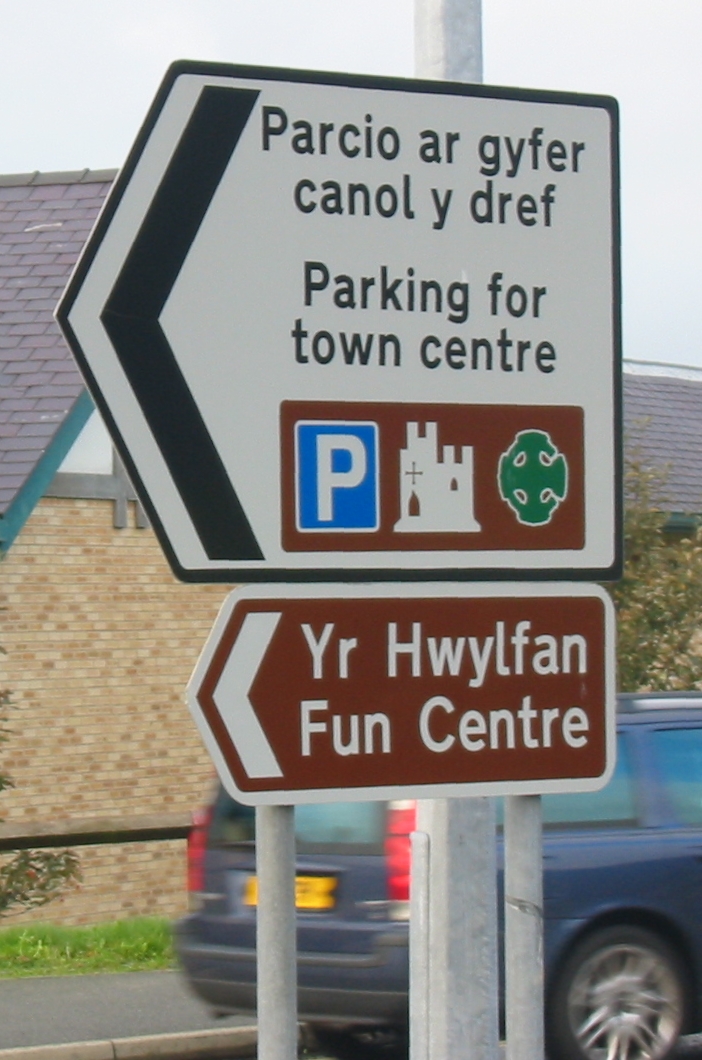
Then we crossed into Wales and everything changed - the road signs, the mountains, the language. Wales has done a remarkable job keeping Welsh alive, so every sign is bilingual, Welsh first. It’s a small thing, but it makes you feel like you’ve genuinely entered a different country with its own identity.
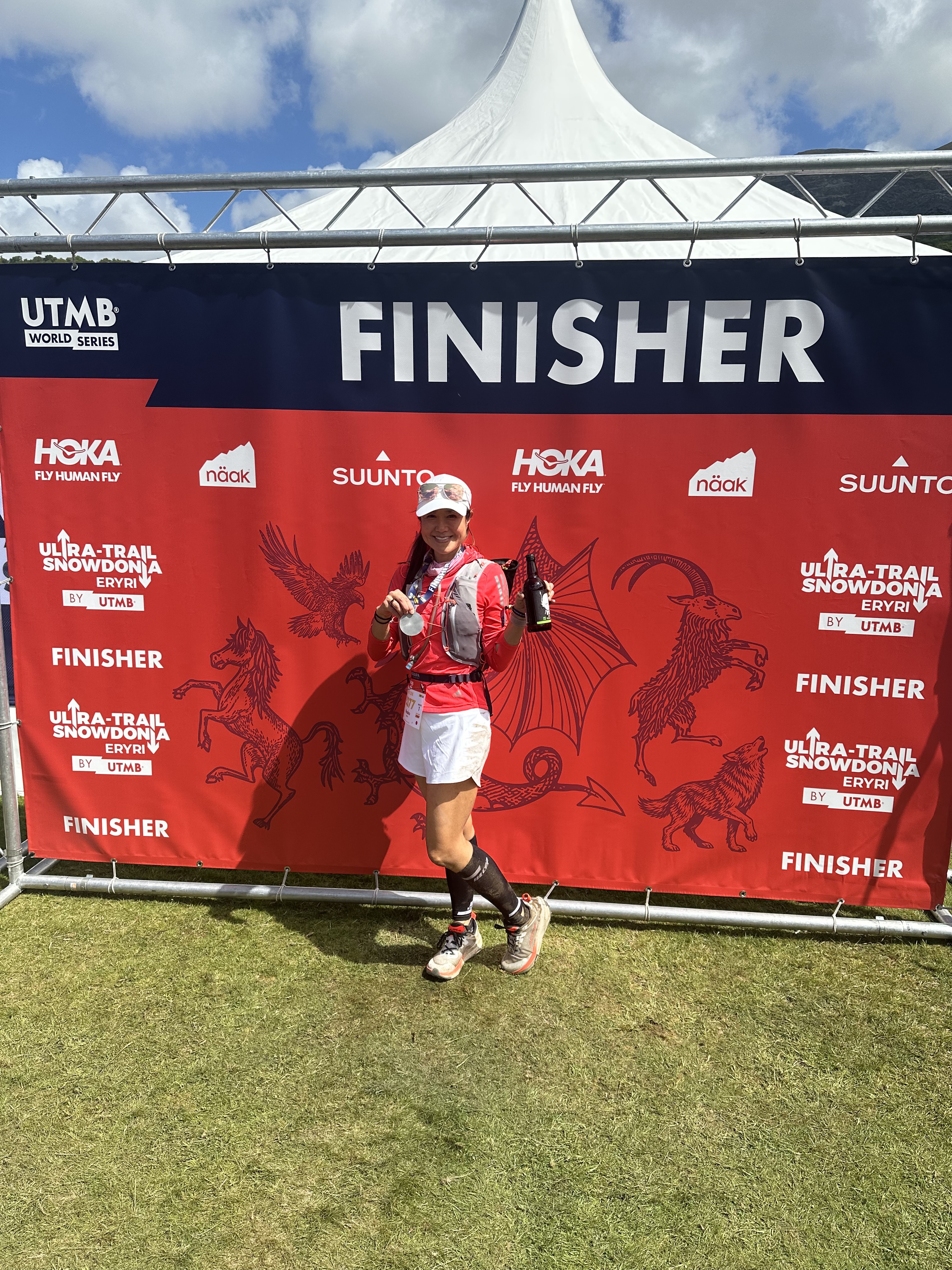
The whole reason we were in Wales was my race: the UTMB Snowdonia 25K, about 4,600 feet of climbing through Eryri National Park. It was muddy, misty, and unforgettable - I slipped on the soaked course and finished absolutely caked in mud. I wrote the full race report here: Mud, Mist, and Mountains: The UTMB Snowdonia 25K.
Afterward, Coy played a round at Caernarfon Golf Club (sunset in Wales in May isn’t until 9 PM, so he had all the time in the world) while I walked the whole windy course alongside him - the easy walking was exactly what my legs needed.
The Lake District - Where Everyone Is Secretly an Expert
After a recovery hike around Lake Padarn, we drove up to the Lake District and stayed near Ullswater. This is where I learned how seriously the British take their hiking.
I kept seeing people on the trails with enormous backpacks - the kind you’d carry on a multi-day thru-hike. So I asked a few of them how far they were going, assuming they were out for days. “Nah,” they’d say, “just 8 miles.” Eight miles! But they were carrying full kit because the weather can turn in minutes and you need to be ready for all conditions and any injury. It completely reset how I think about being prepared in the mountains. Back home I’ll happily head out with a flask and a gel. Here, they respect the hills.
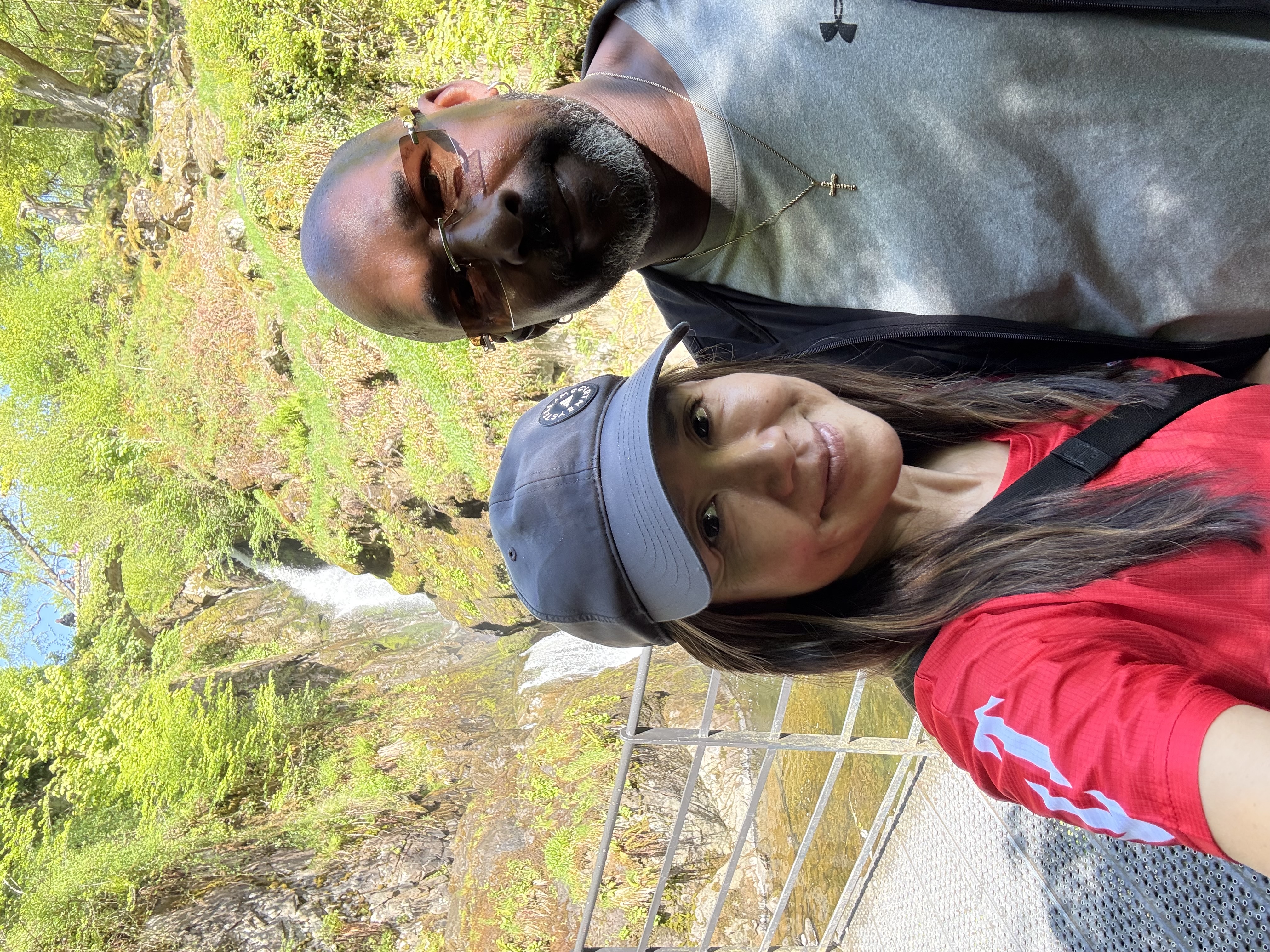
North into the Highlands - Oban & the Road to Skye
From the Lakes we crossed into Scotland on one of the most beautiful drives of the trip, past Loch Lomond and up to Oban, the little harbor town famous for its whisky.
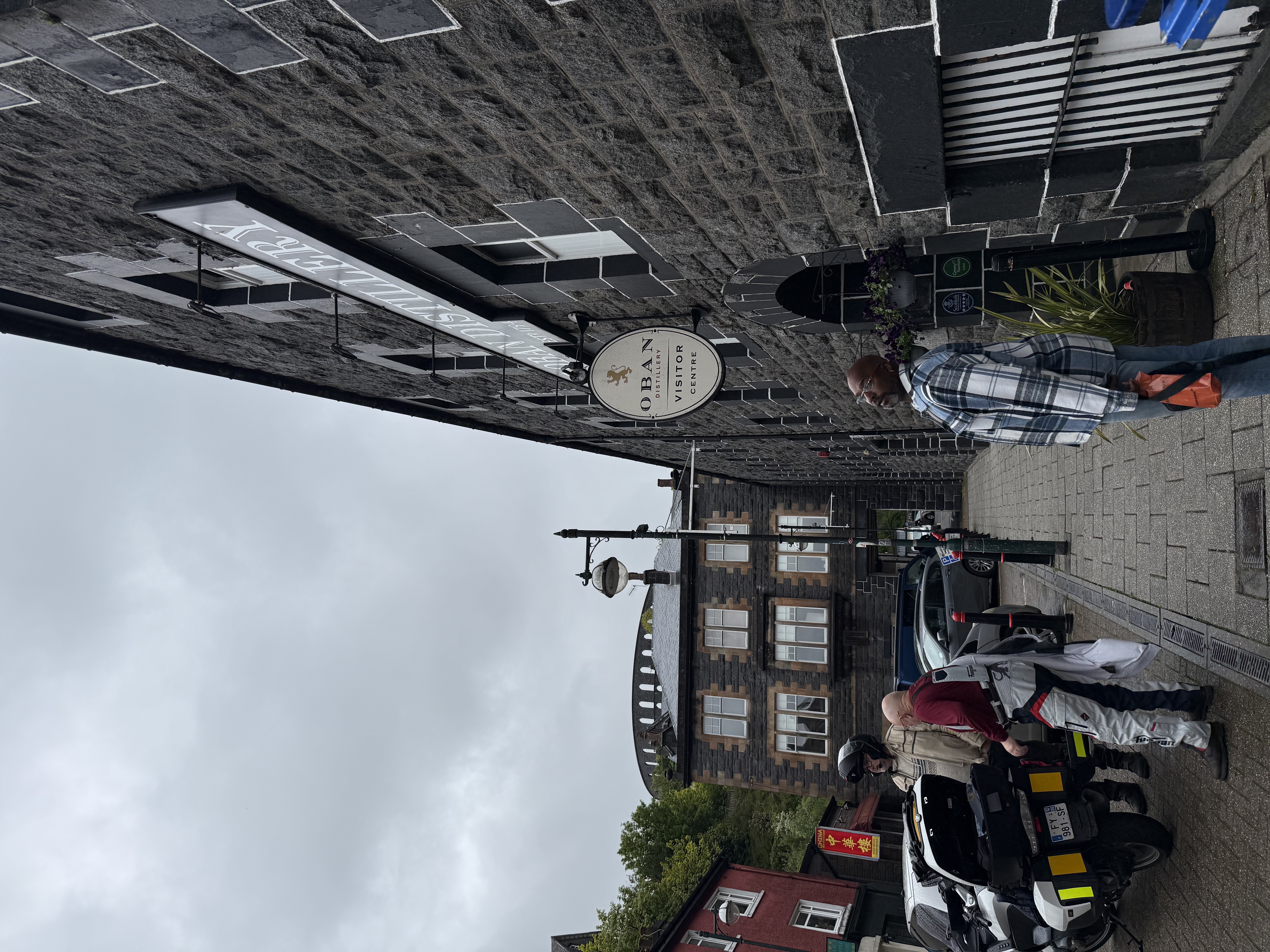
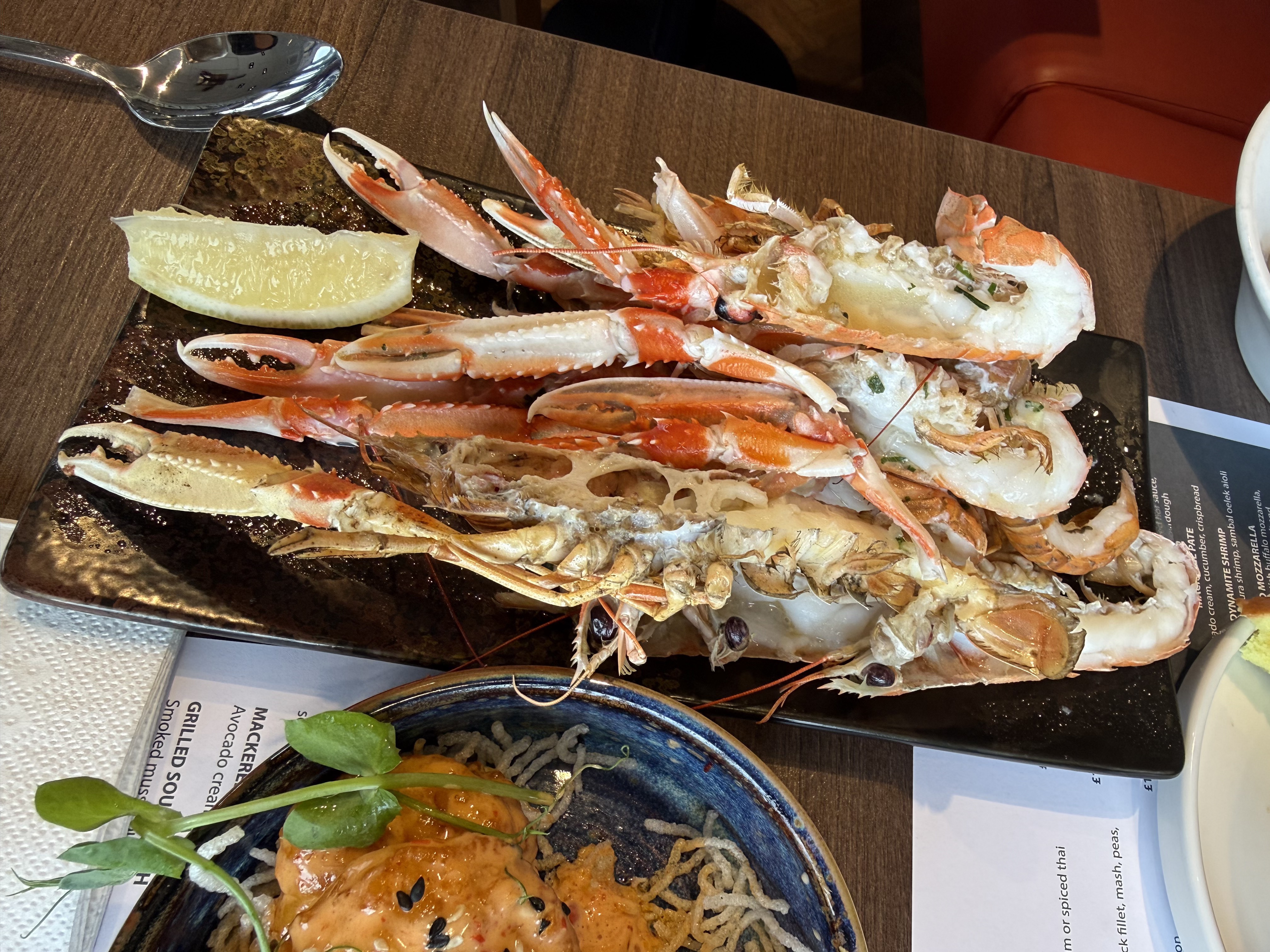
The seafood here was unforgettable - though I learned that what they call “lobster” is quite different from the lobster we know back home. It’s smaller and sweeter, closer to what we’d think of as langoustine or large prawns. Different, but delicious.
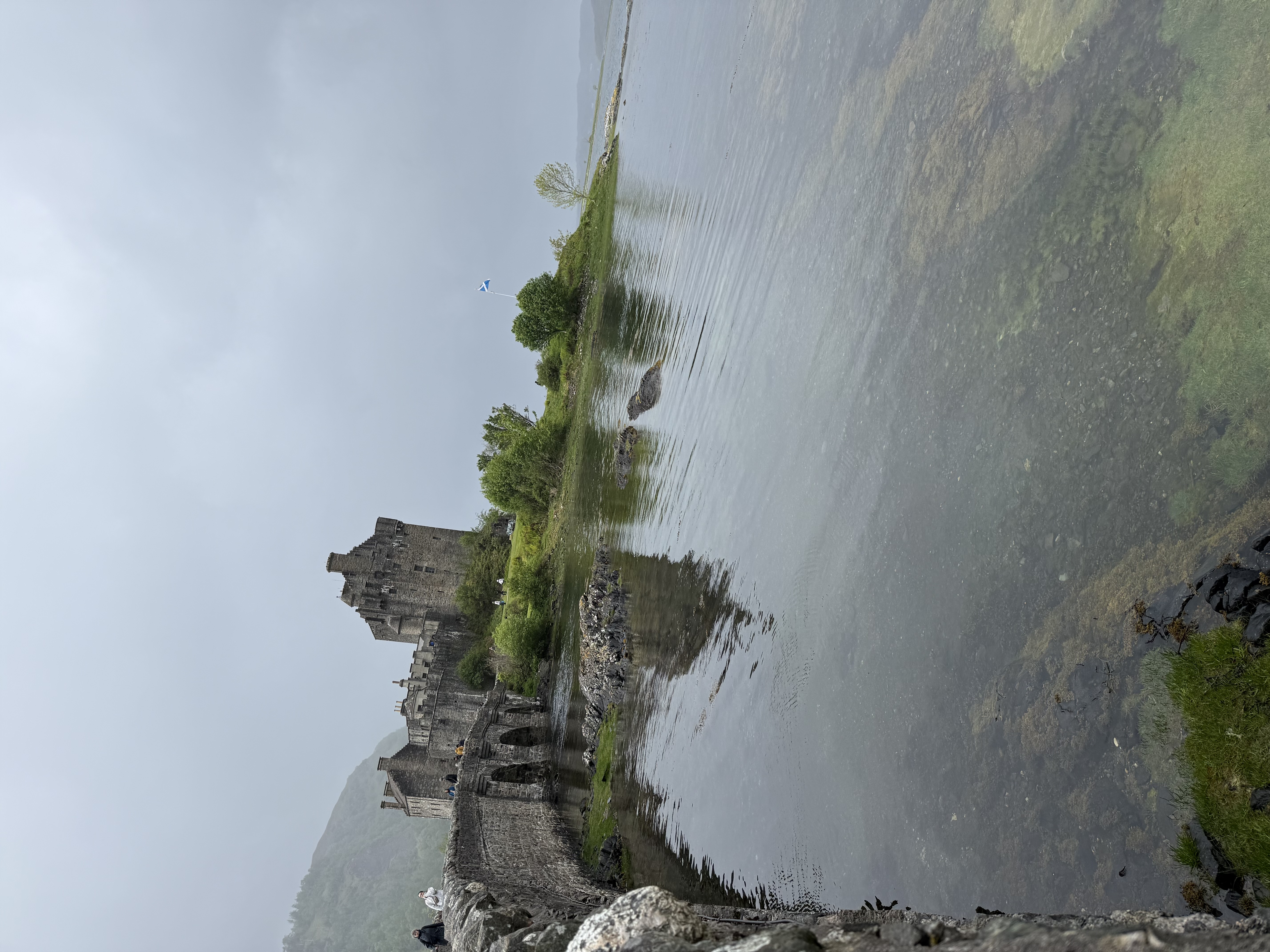
The next morning we drove on toward Skye, stopping at the impossibly photogenic Eilean Donan Castle on the way.
Isle of Skye - Nearly Blown Away (Literally)
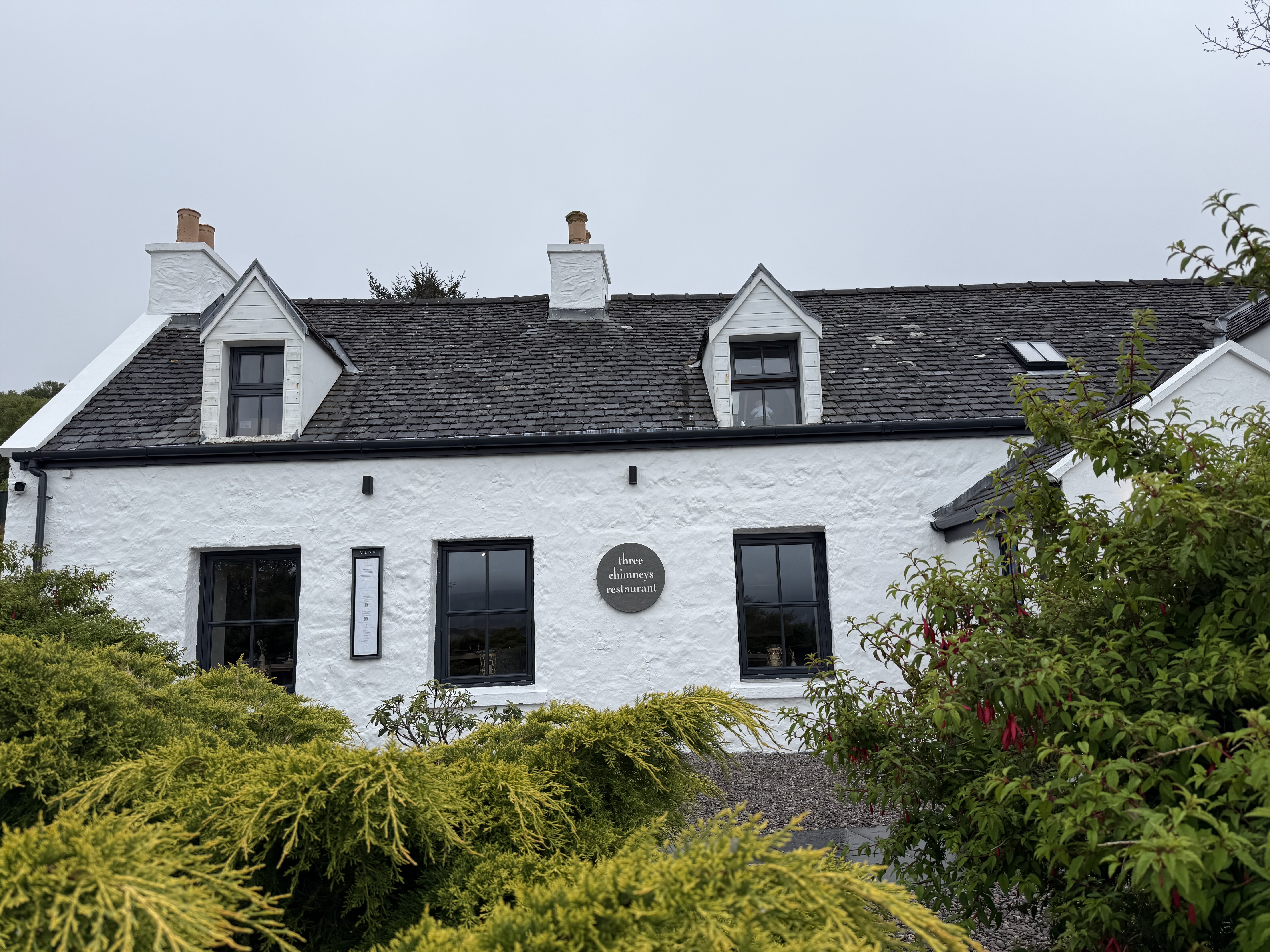
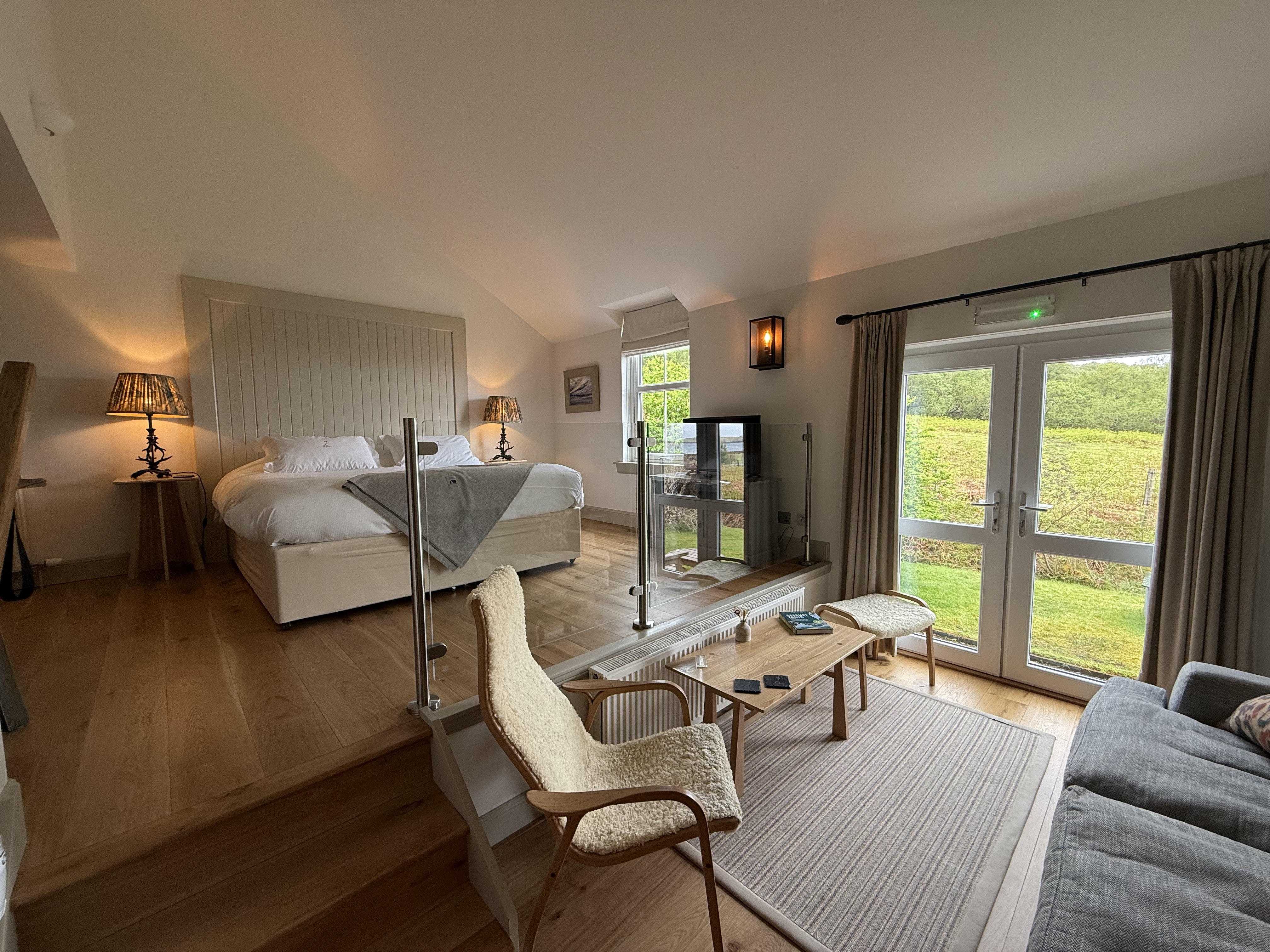
We crossed the bridge onto the Isle of Skye and based ourselves in colorful Portree, with one unforgettable night at The Three Chimneys.
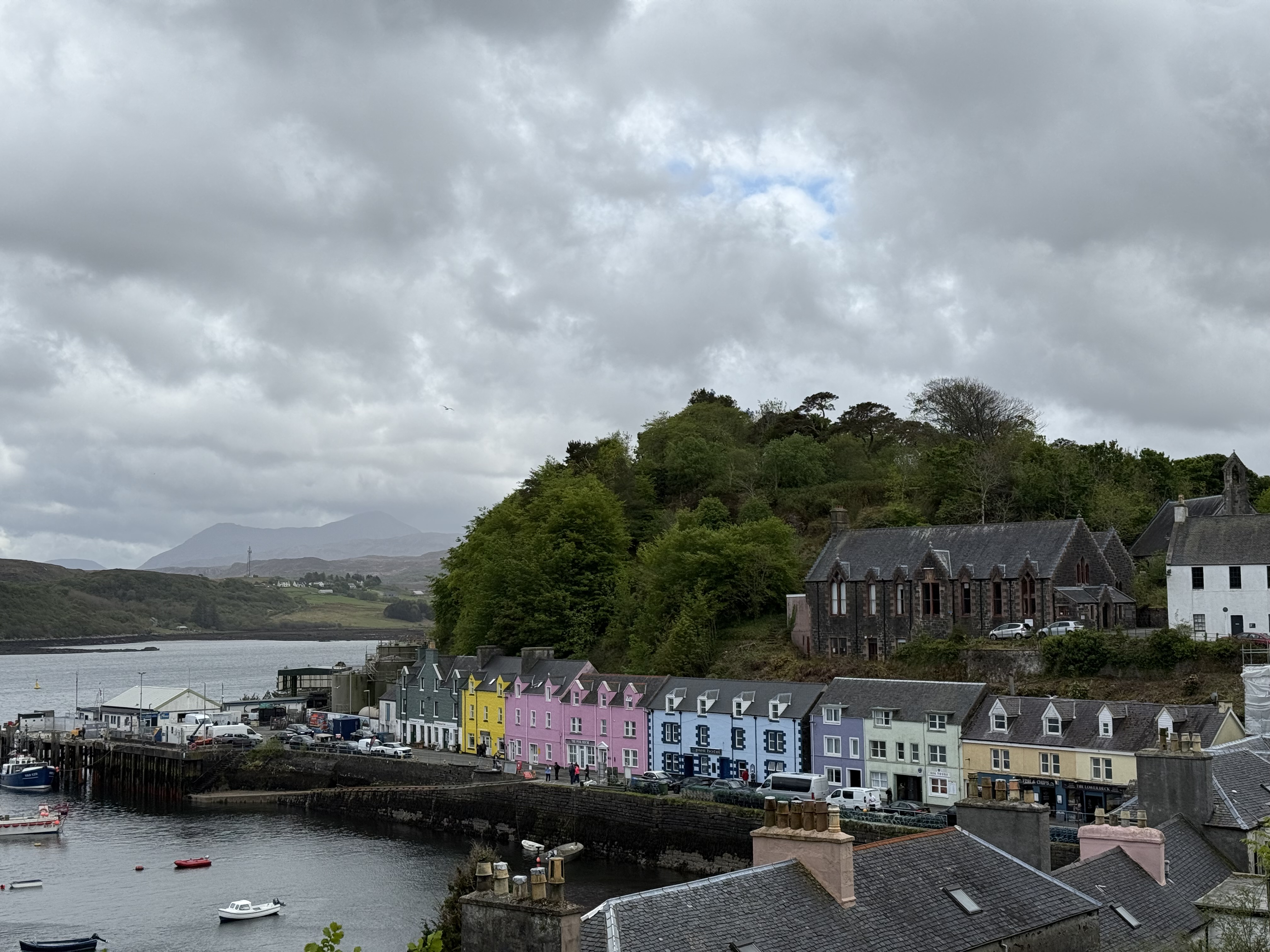
Skye is the most dramatic landscape I have ever stood in. Each stop felt more cinematic than the last.
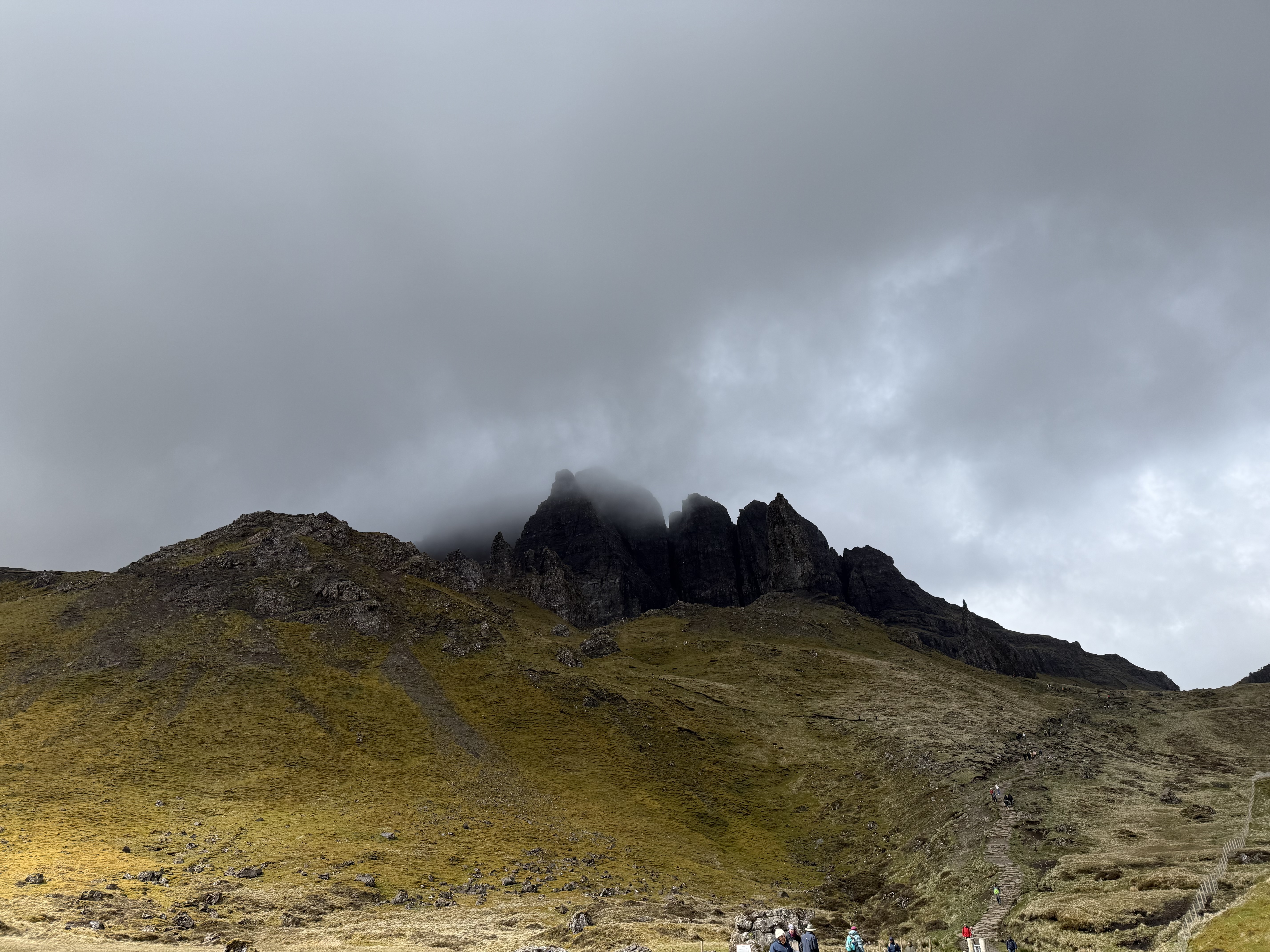
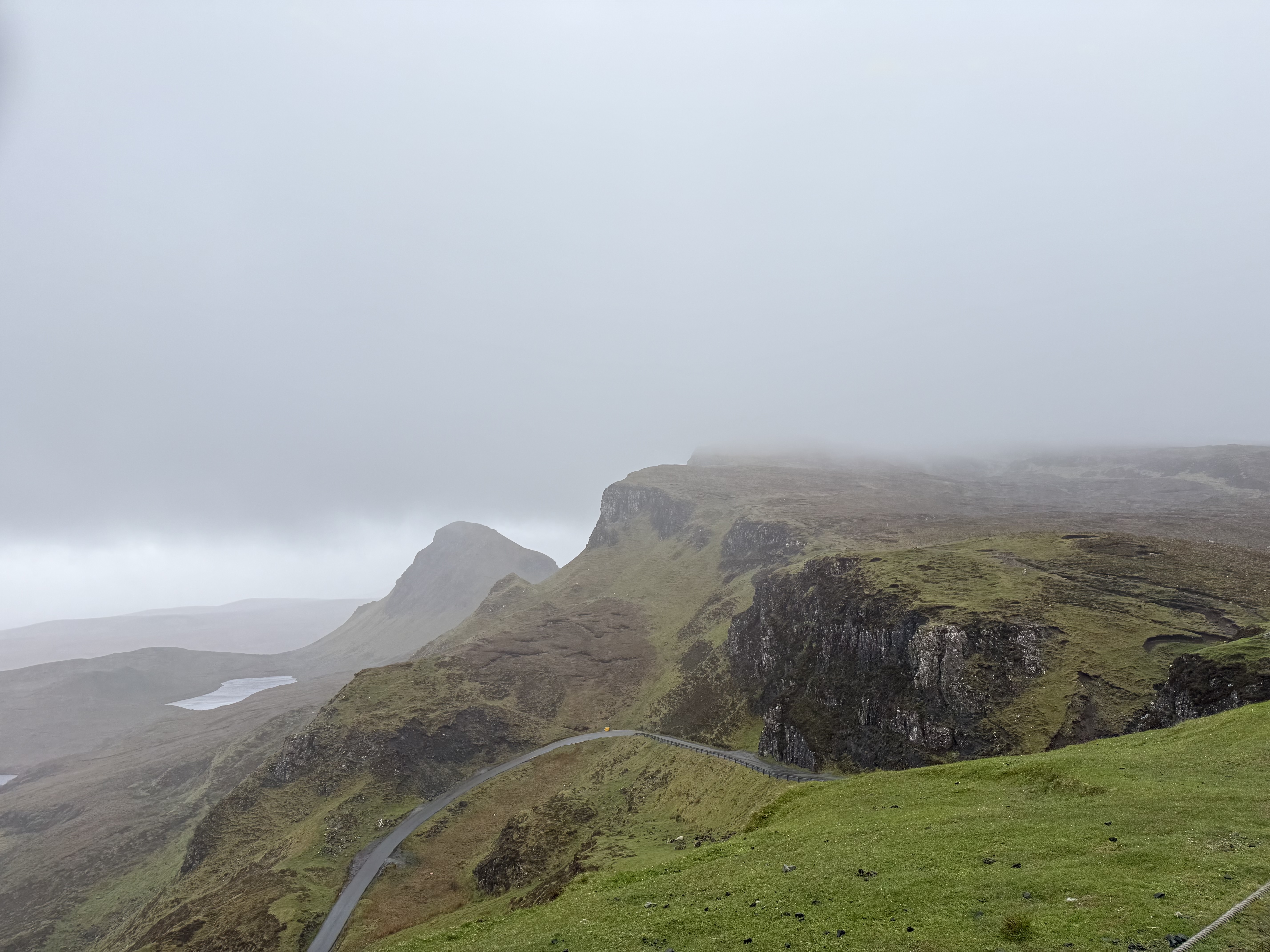
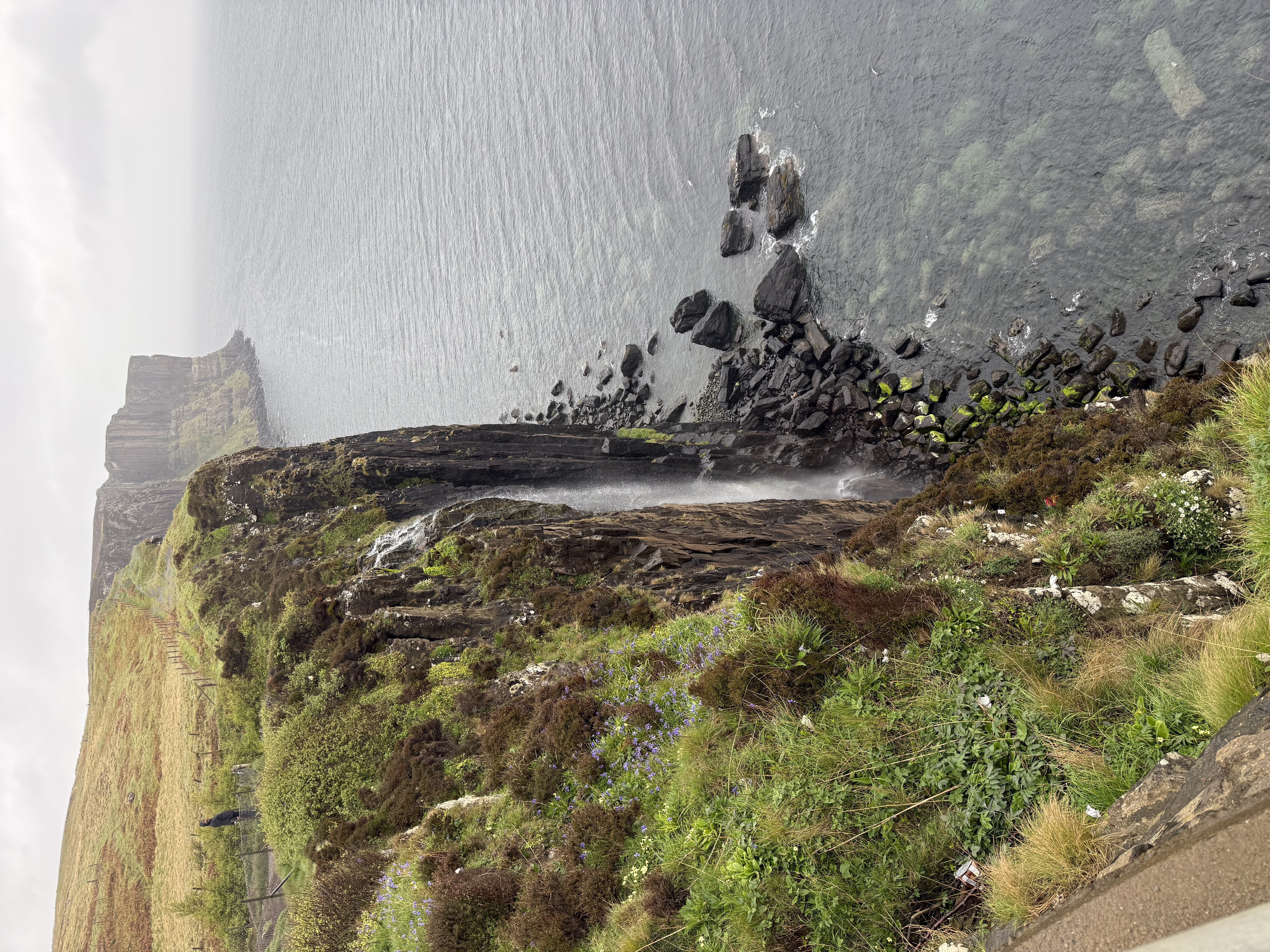
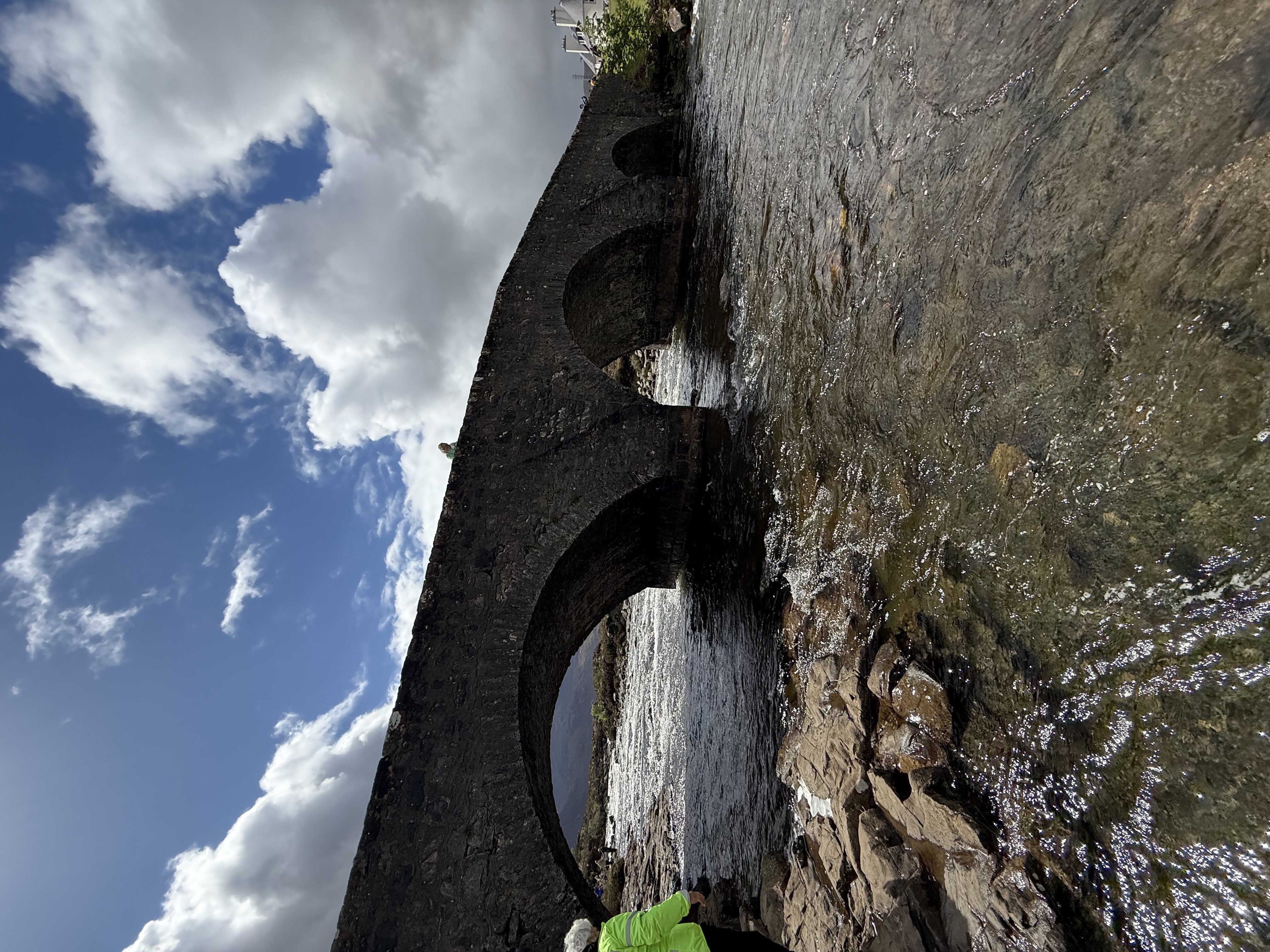
But the thing nobody warns you about is the wind. At a few of the viewpoints I genuinely thought we were going to get blown off the cliff - you lean into it just to stay standing. It gives the whole island this raw, untamed feeling, like the land is still in charge.
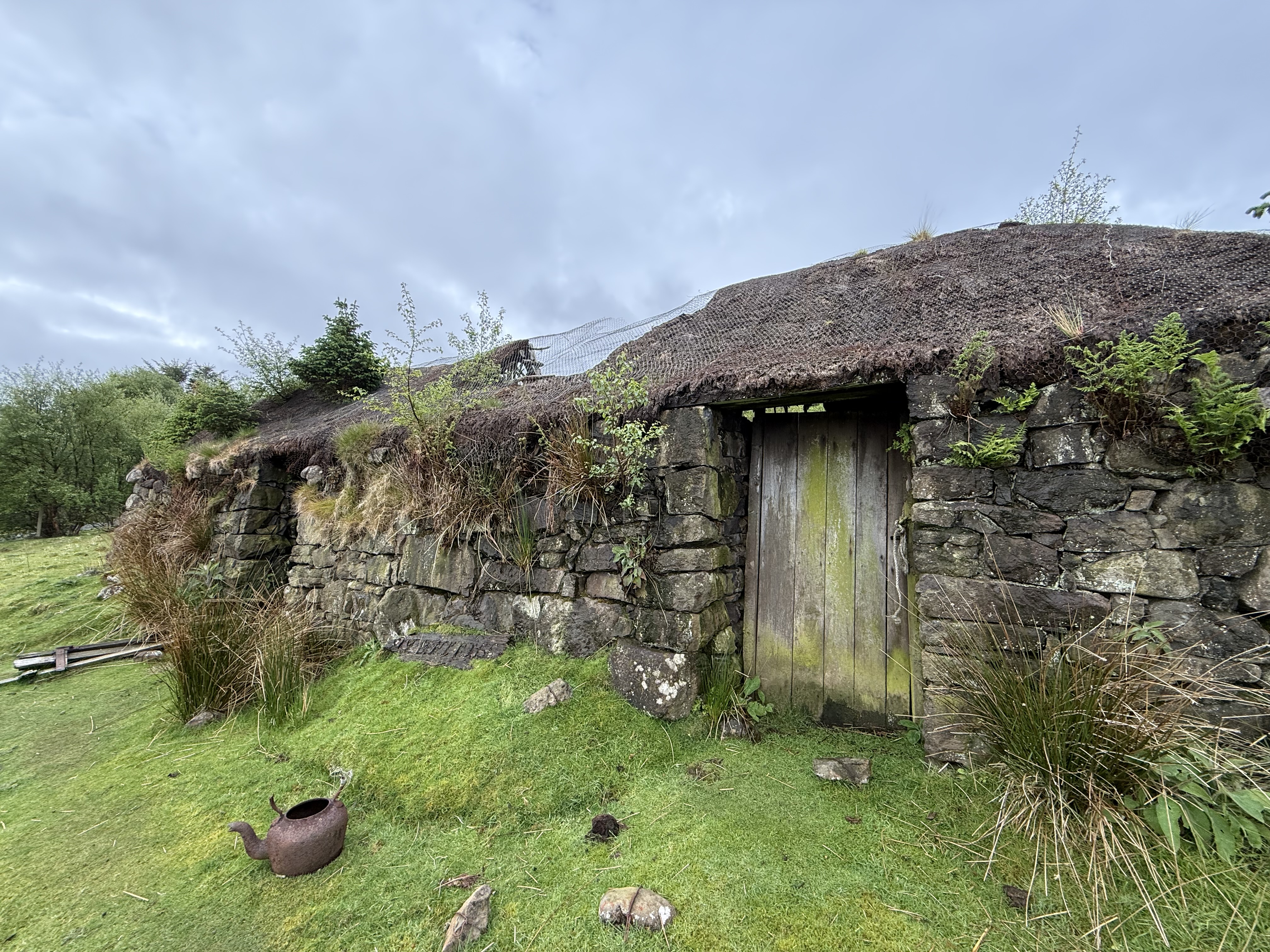
And here were those low ceilings again, in the old croft houses - same reason as the Cotswolds: keep the heat in, keep the wind out. Many of them stood abandoned, slowly being swallowed by the grass, which gave the landscape a quiet, wistful feeling. When you’ve felt the Skye wind, you understand exactly why they built low.
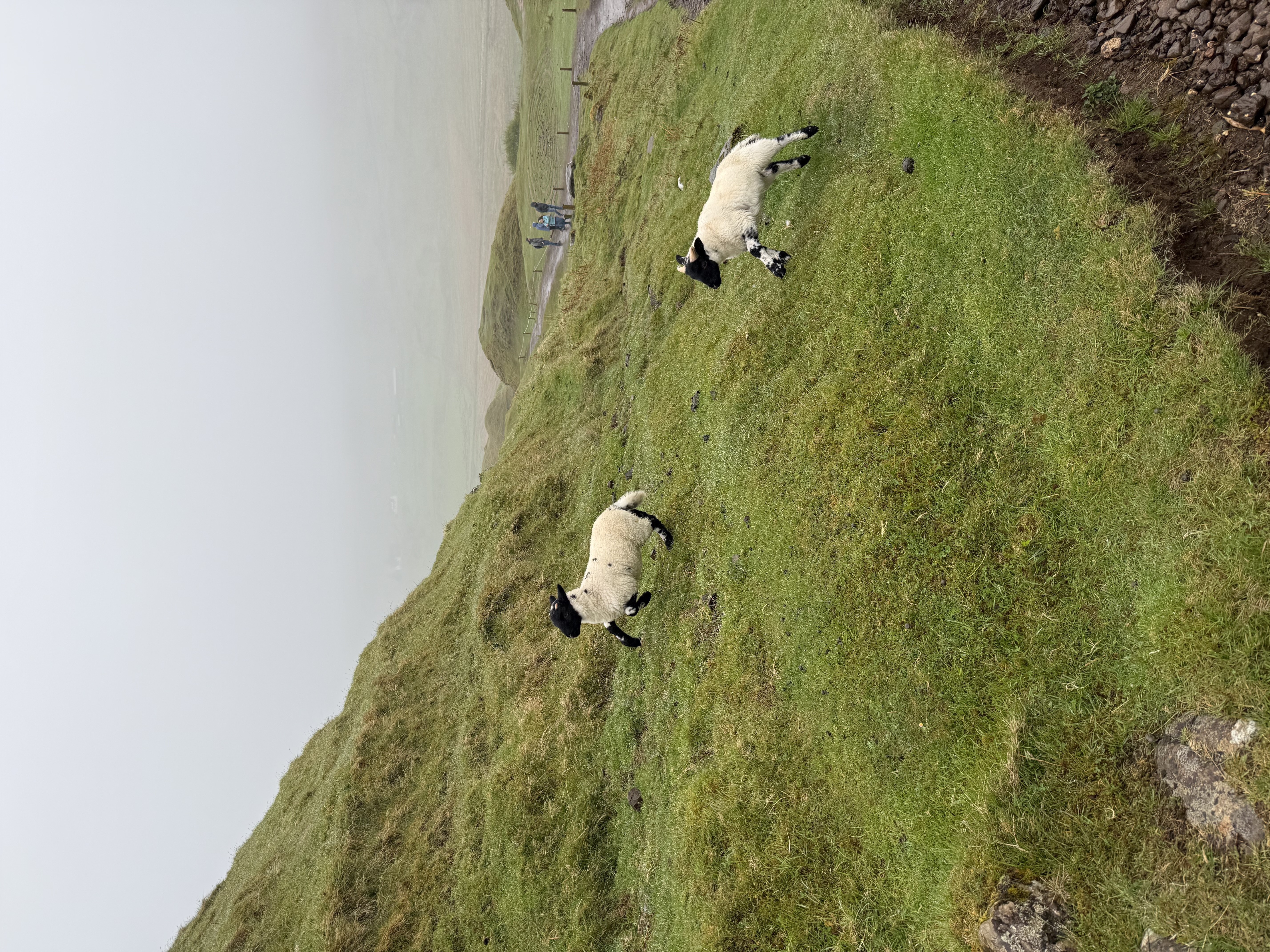
And the animals! Skye is where I fell for Scotland’s livestock. Sheep were everywhere, dotting every hillside.
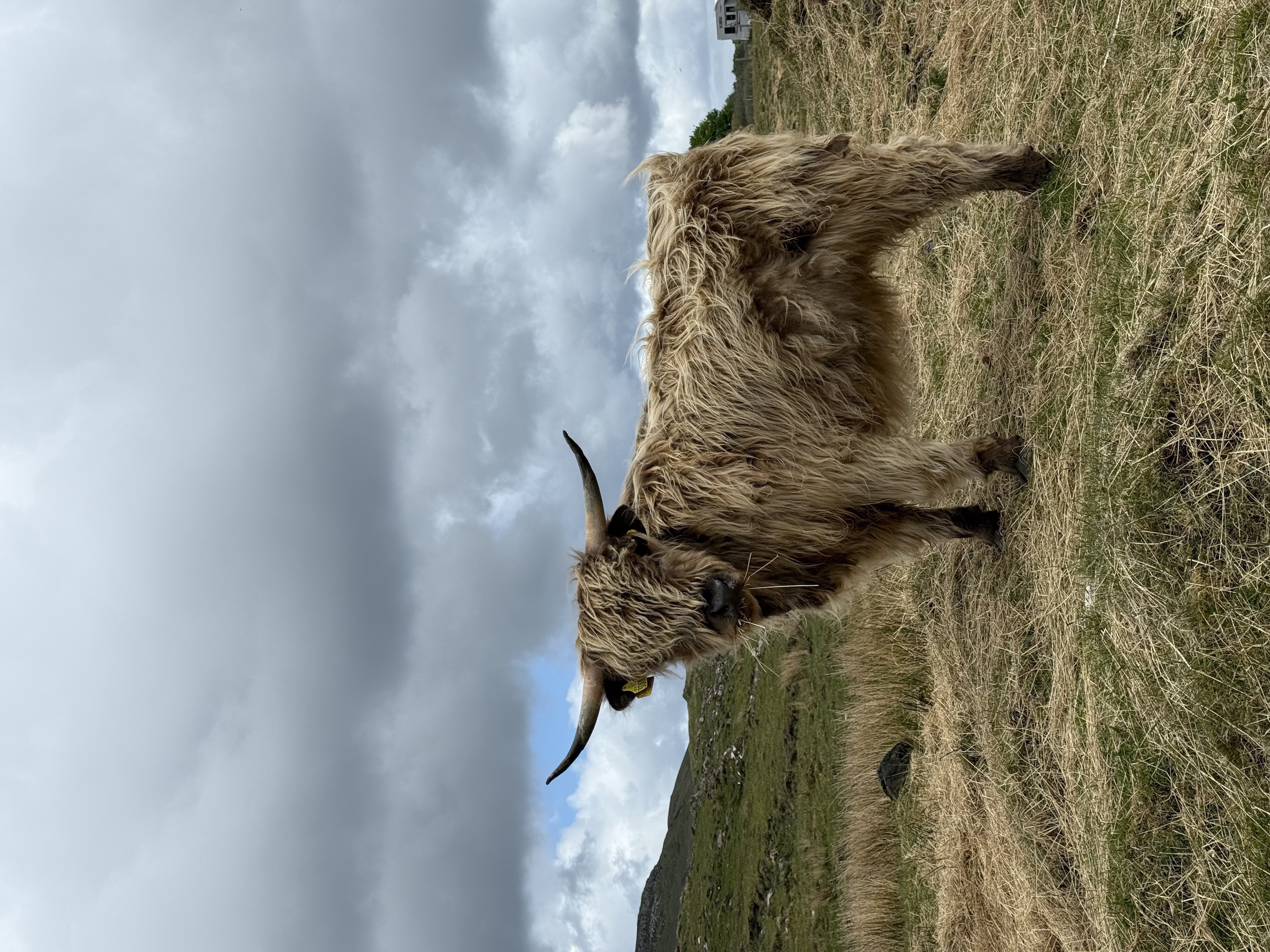
But the real stars, for me, were the Highland cows. I completely fell in love. That shaggy fringe, those enormous horns, that utterly unbothered expression - they look like someone’s lovable, oversized dog that just happens to live on a mountain. I could have watched them all day.
Our splurge was dinner and a night at The Three Chimneys, a tiny whitewashed restaurant-with-rooms that’s been a Skye institution for decades. Worth every penny.
A Land of Small Castles - Driving Through Scotland
One thing that struck us driving across Scotland: there are castles everywhere, and most of them are small. At first I didn’t understand - I’d think of castles as royal, like Edinburgh Castle. But most of these were landowners’ castles, the fortified homes of the local lairds and clans, not royalty. Once you know that, the whole landscape reads differently - every glen seems to have its own little fortress. We even spent a night in one: the red-sandstone Fonab Castle near Pitlochry.
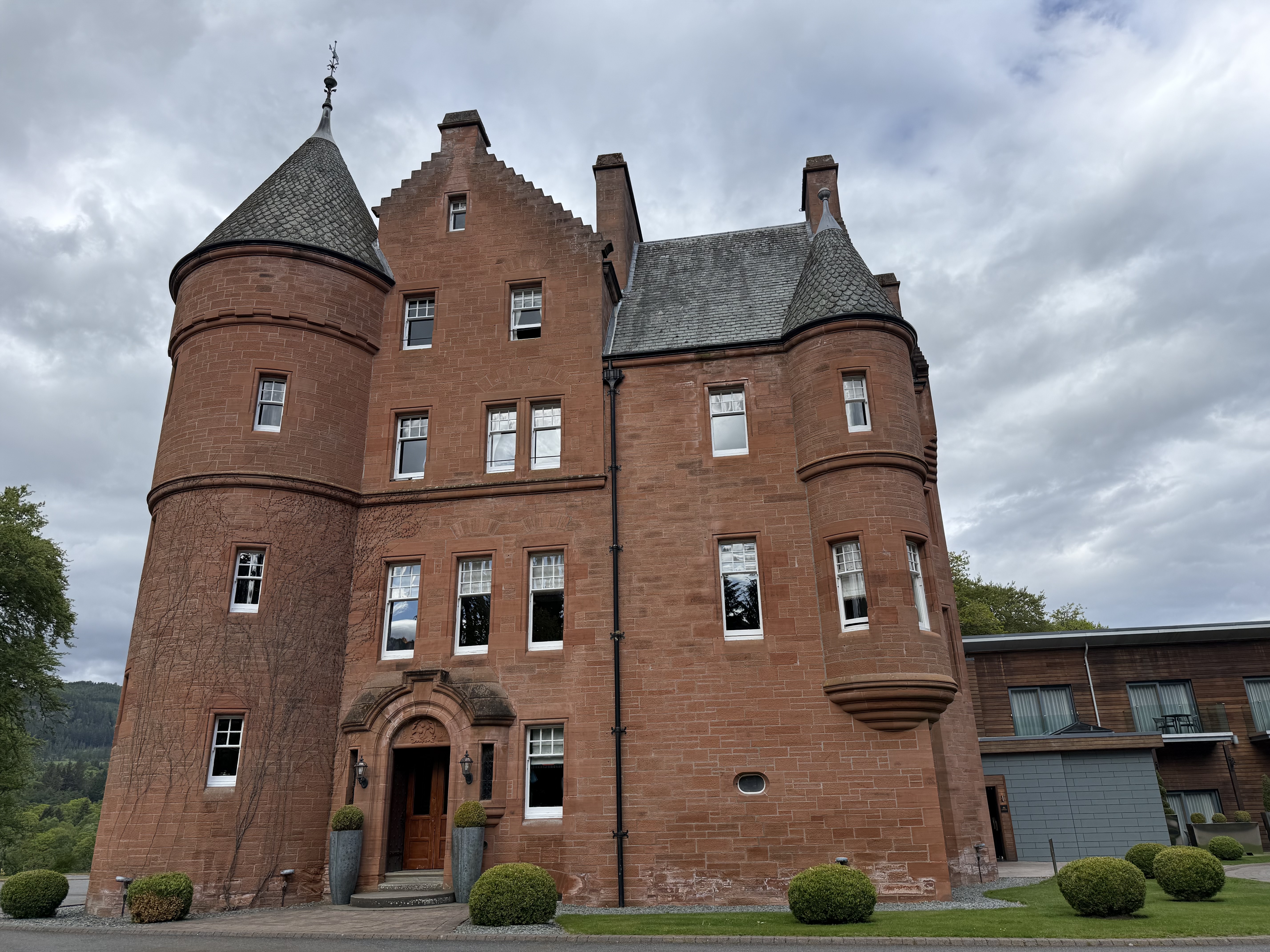
Many of these old buildings are protected as historic sites, which leads to a clever solution: because you can’t alter the historic shell, they’ll build a modern structure inside the old one - a building within a building. From outside it’s centuries old; inside it’s fully modern. We saw this again and again and thought it was such an elegant way to honor the past while actually living in the present.
The local game meat shows up on every menu, too: venison, lamb, the works. After a while you stop being surprised and just order the venison.
St Andrews - Coy Plays the Old Course ⛳
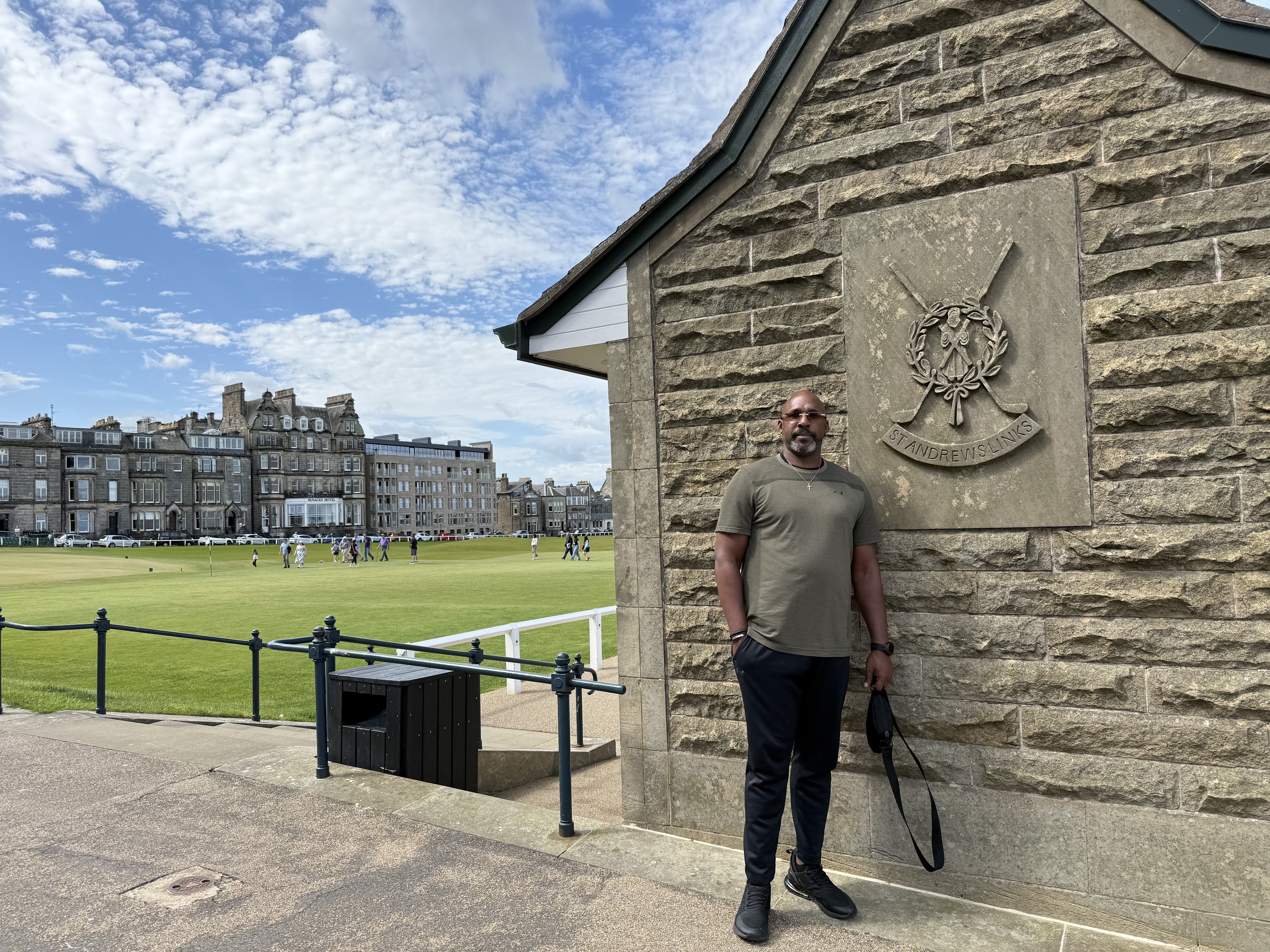
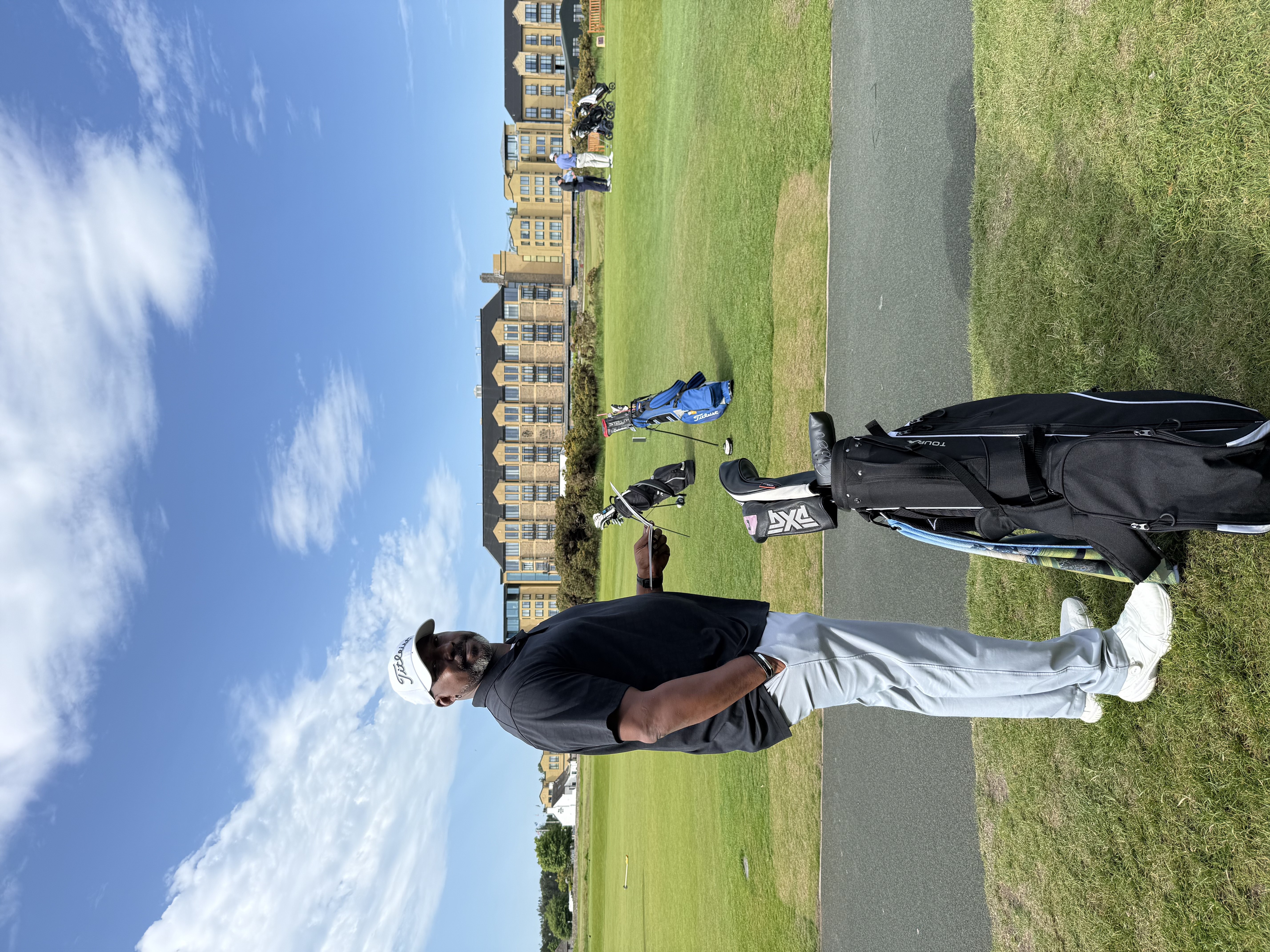
This was the moment the whole trip had been building toward. The Old Course at St Andrews had topped Coy’s bucket list for years - even just seeing it would have been enough. Playing it was the dream.
We based ourselves in St Andrews for five nights, a ten-minute walk from the first tee, with backup tee times lined up nearby in case it didn’t work out. But Coy really wanted the course. So every single day, he entered the draw - and one day, he got in. I don’t think I’ve seen him that happy in years.
How to play the Old Course (for the dreamers reading this)
You can’t just book a tee time at the Old Course - most visitors get on through a lottery. The main daily ballot closes at 2 PM, two days before you want to play, and needs a group of 2 to 4 players; results are posted later that afternoon. (There’s no ballot for Sunday play - the Old Course rests on Sundays.)
Coy went a different route as a solo golfer: the Singles Daily Draw. You enter at the kiosk (or online), and that evening you get a text and an email with your result.
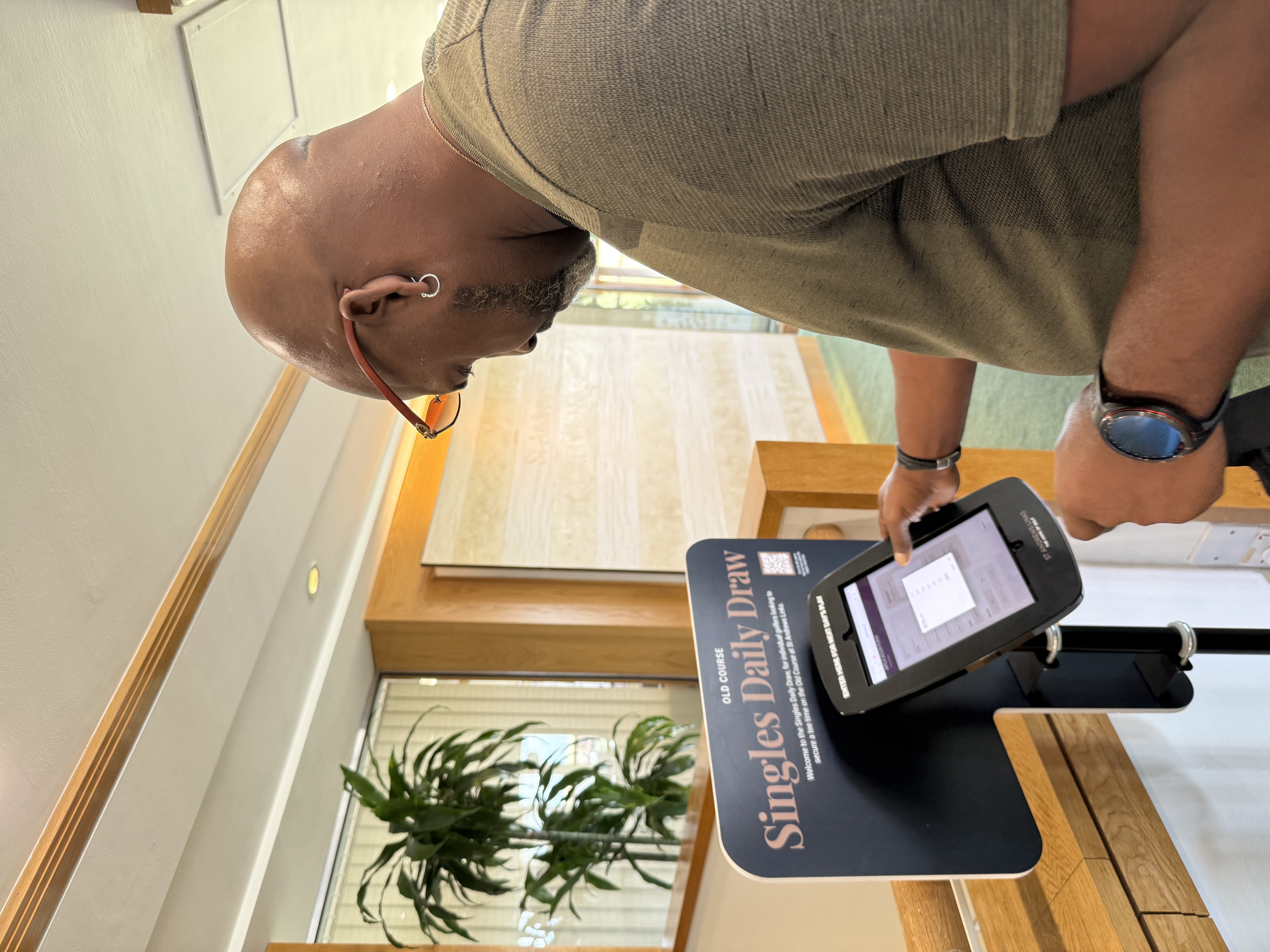
If you don’t draw a tee time outright, you’re given a waiting-list number - and here’s the insider tip: if your number is a single digit, you’re very likely to get out. Even better, walk over to the starter’s pavilion and just ask. The staff there know exactly what the chances are for any given day, and they’ll tell you straight.
A few more things we learned:
- Enter every day, and have backups. Coy entered every single day we were there.
- The New Course, right next door to the Old, is much easier to get onto - a wonderful, historic round in its own right.
- The Castle Course was Coy’s favorite of the whole trip: the most beautiful, the most fun, and genuinely challenging.
- But the satisfaction of finally walking the Old Course? Priceless.
For official rules, dates, and entry, go straight to St Andrews Links.
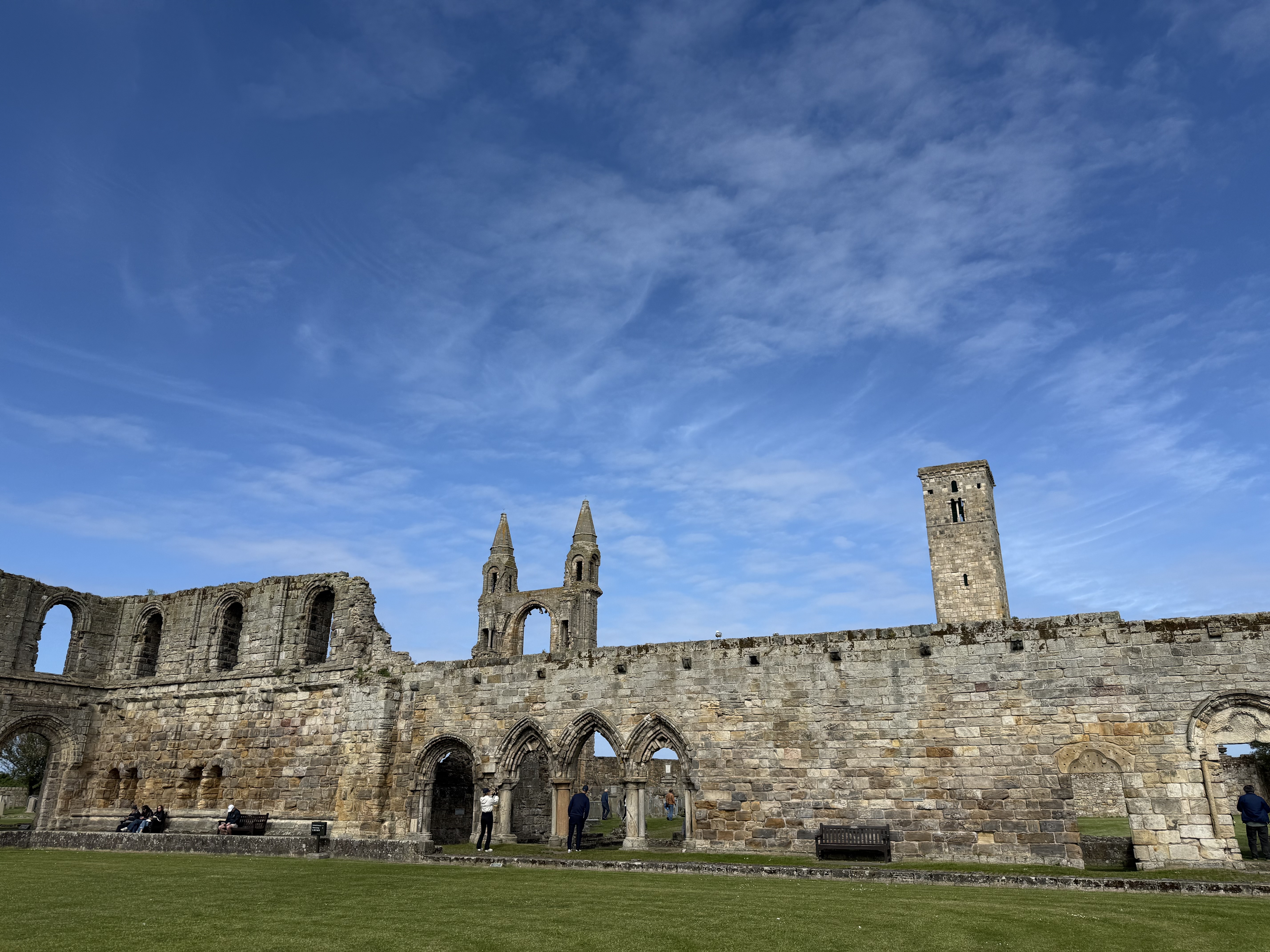
While Coy golfed, I explored St Andrews and the coast on foot - the ruins of the great cathedral, and the Fife Coastal Path out along the sea.
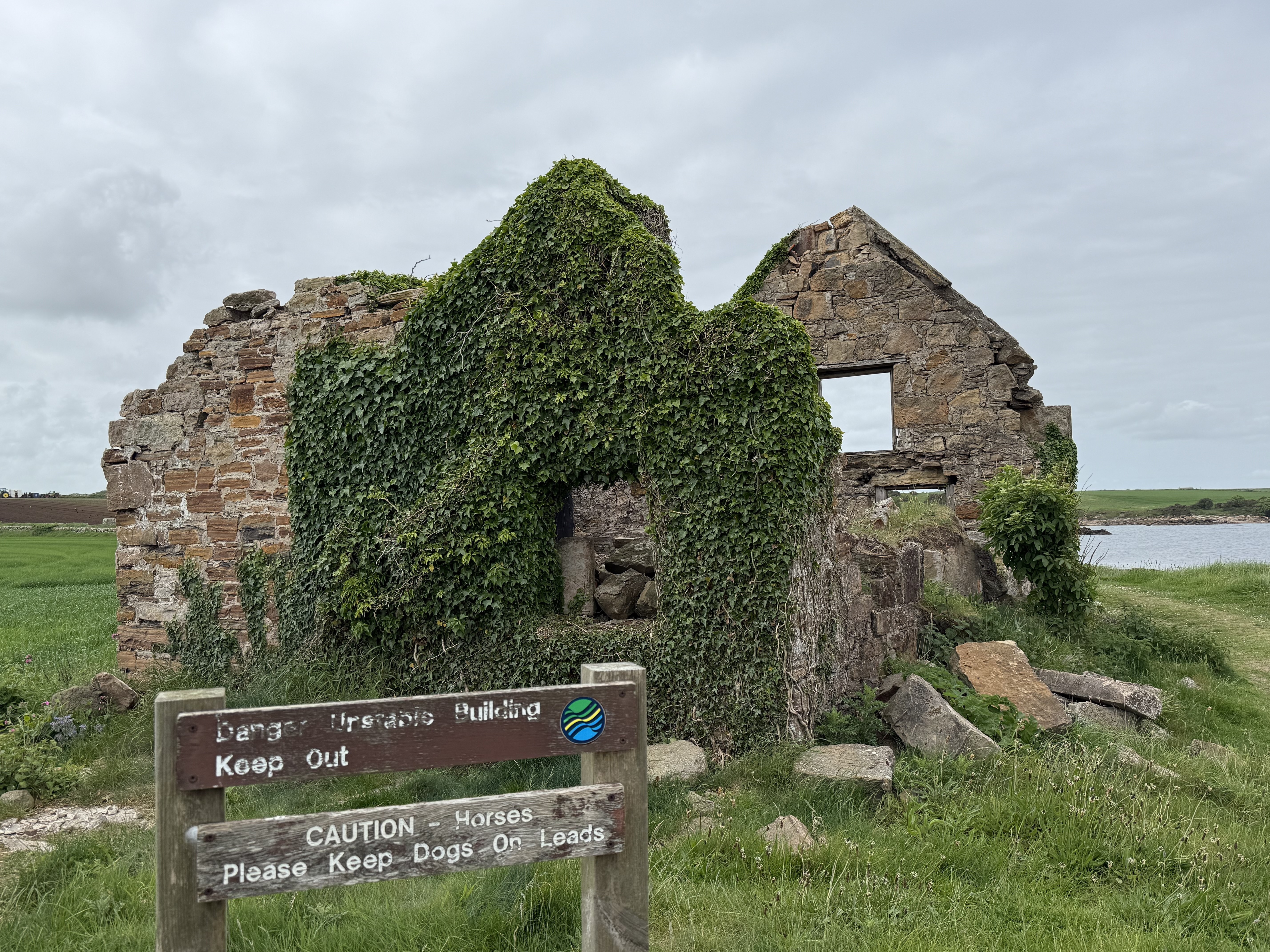
The coastal trail had its own surprises: more Highland cows (kept along the path for conservation grazing), and great sweeps of bright yellow canola fields.
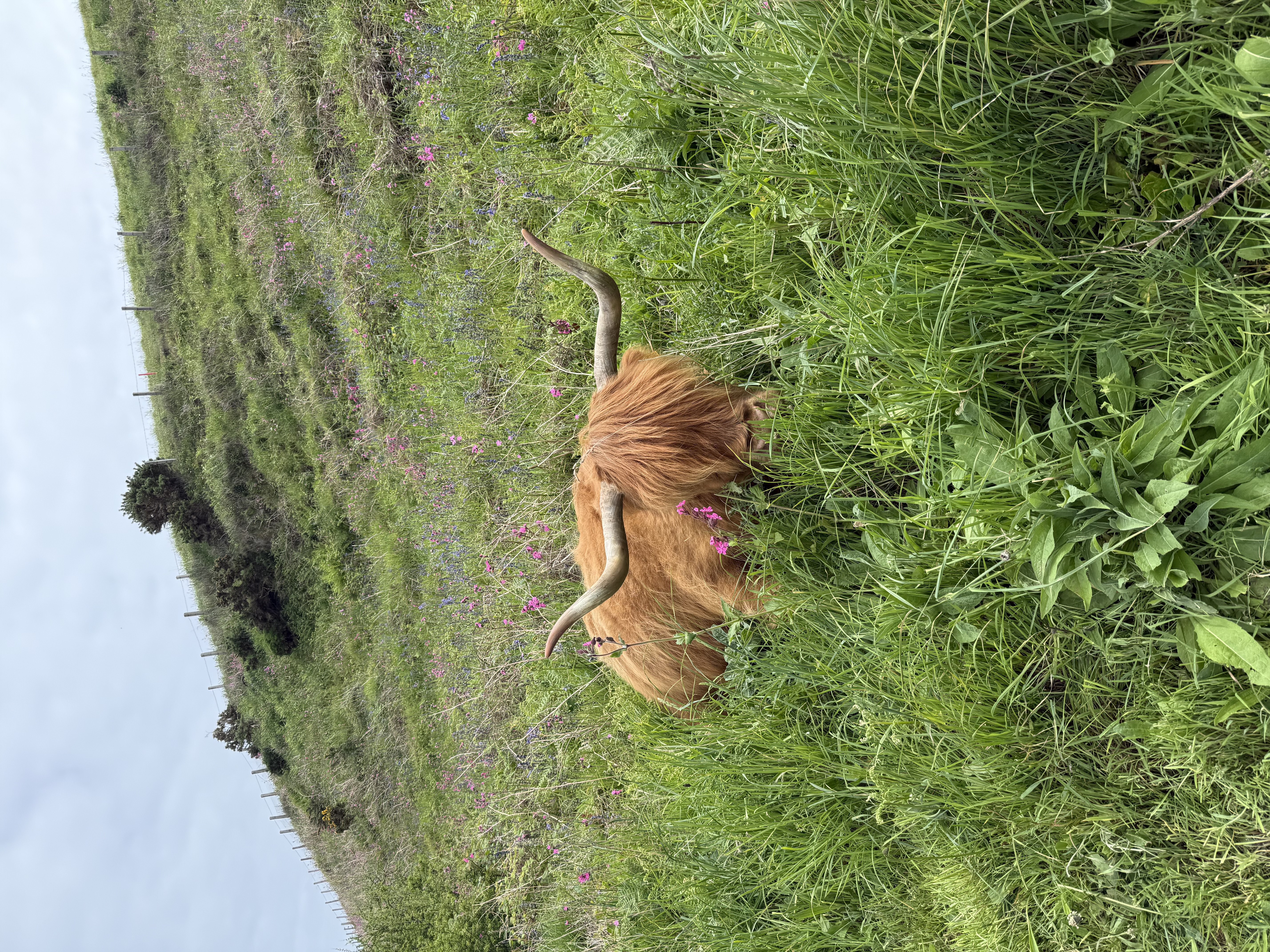
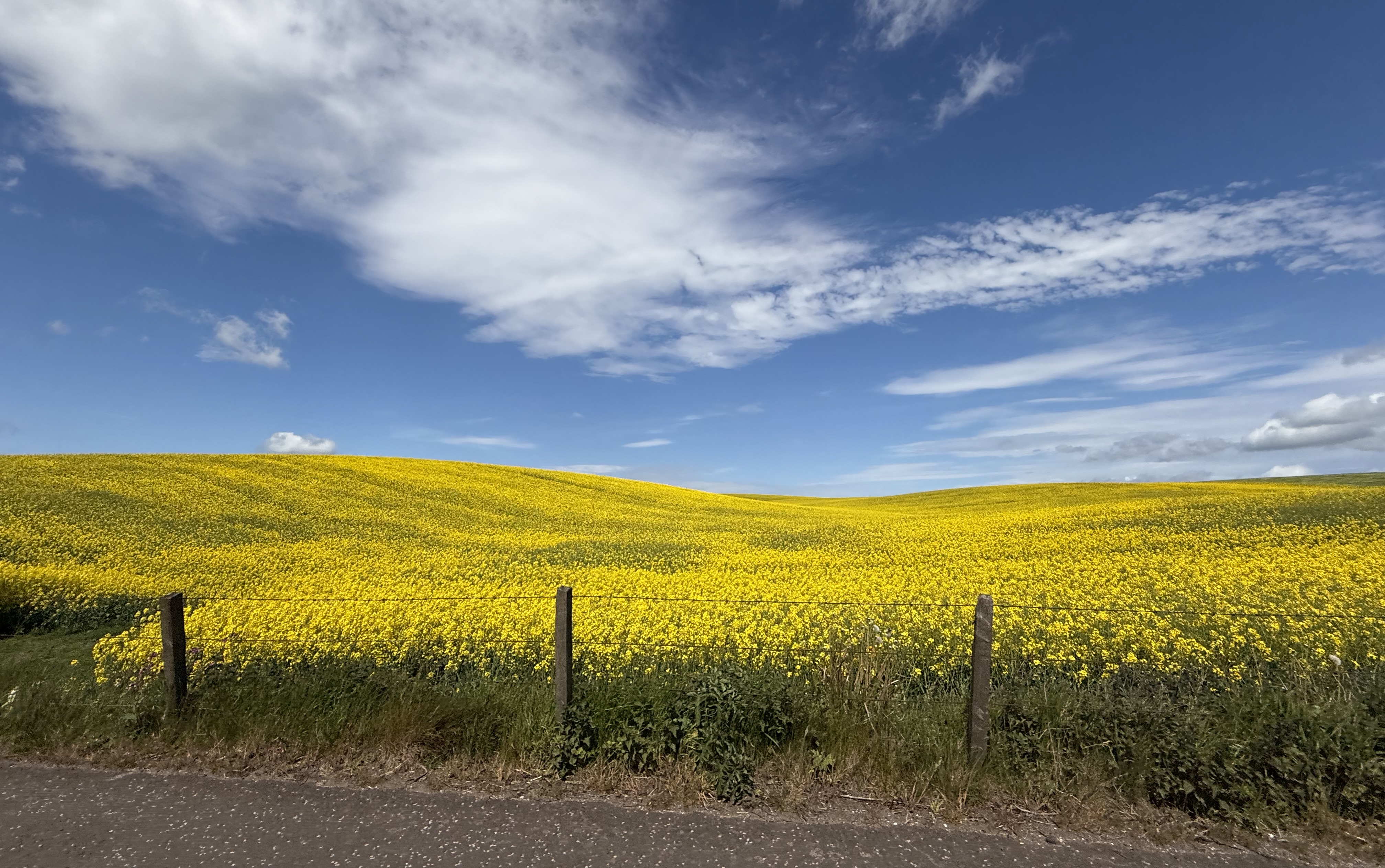
One thing that genuinely surprised me about Scotland - and St Andrews especially - was how safe it felt, as safe as Japan. In the cafés I’d watch people leave their laptops out on a table, wander off for ages, and come back to find everything exactly where they’d left it. Coming from the States, that took some getting used to, in the best possible way.
Edinburgh - Full Circle
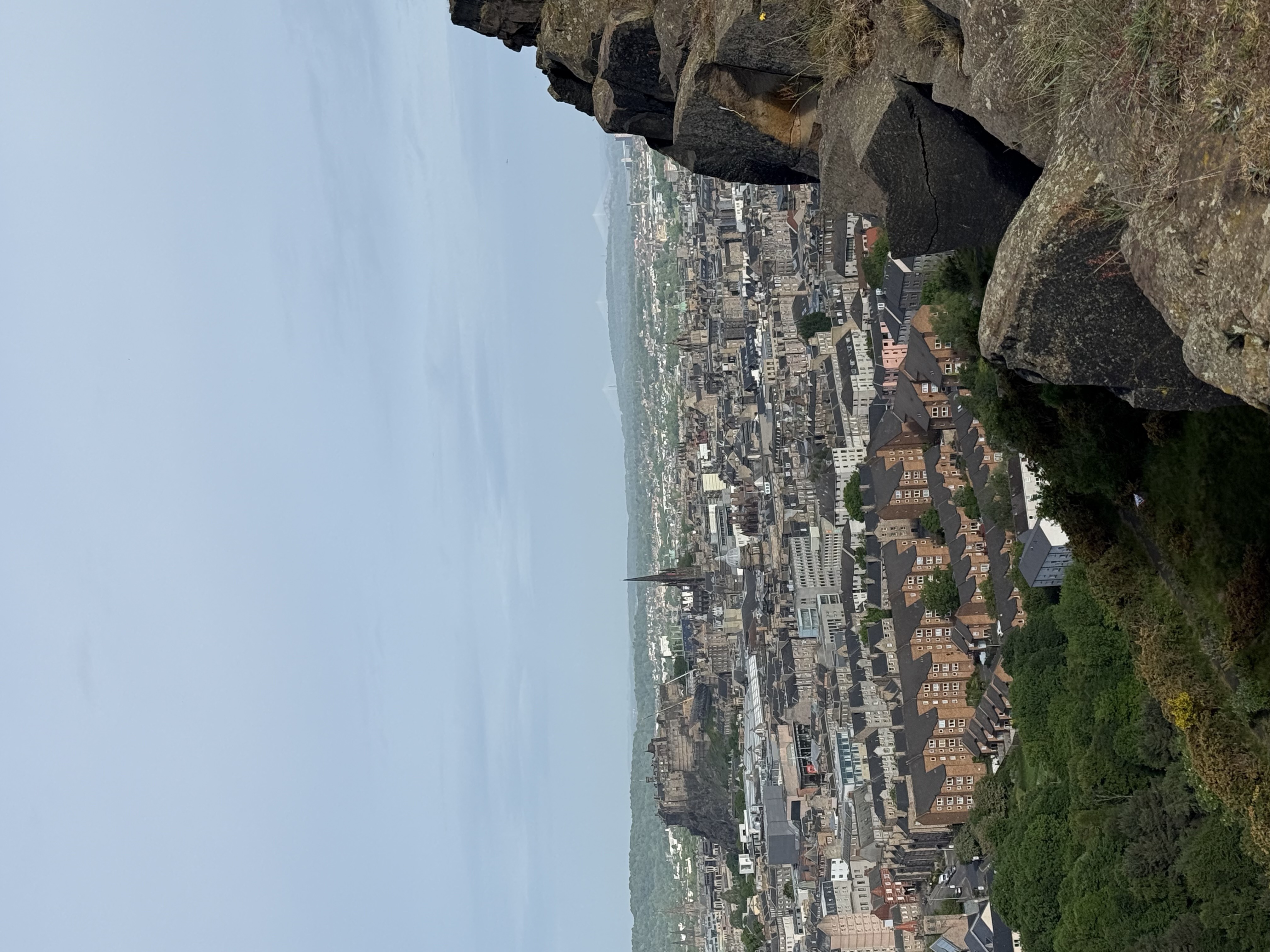
We finished where the trip’s history theme came full circle: Edinburgh. After all the small lairds’ castles scattered across the countryside, the royal grandeur of Edinburgh Castle on its volcanic rock really lands. I got an early-morning run up to Arthur’s Seat, with the whole city - castle and all - laid out below.
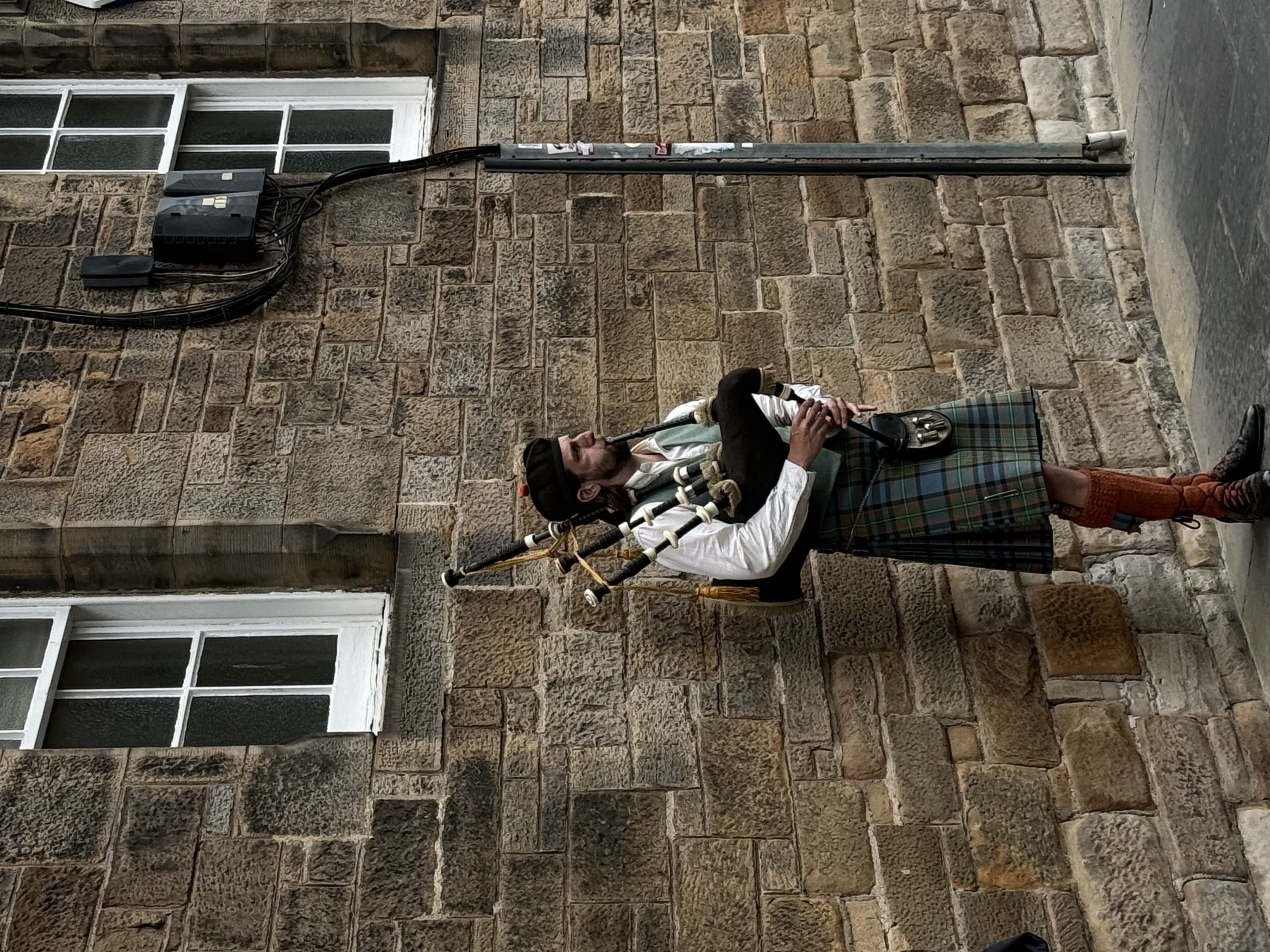
We walked the Royal Mile, where a piper in full kit gave the whole scene a soundtrack.
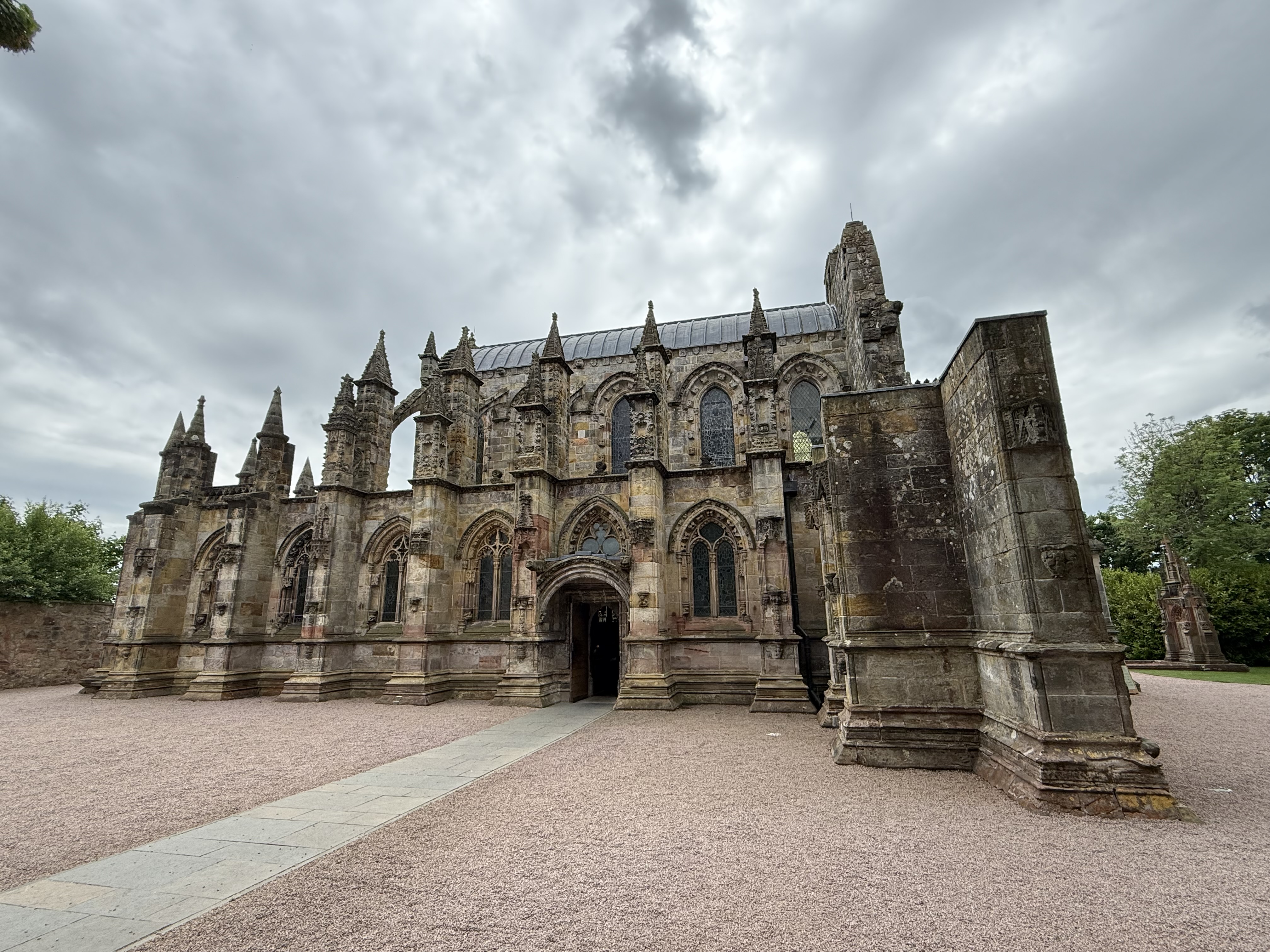
We also made time for the astonishing Rosslyn Chapel just south of the city, every inch of it carved.
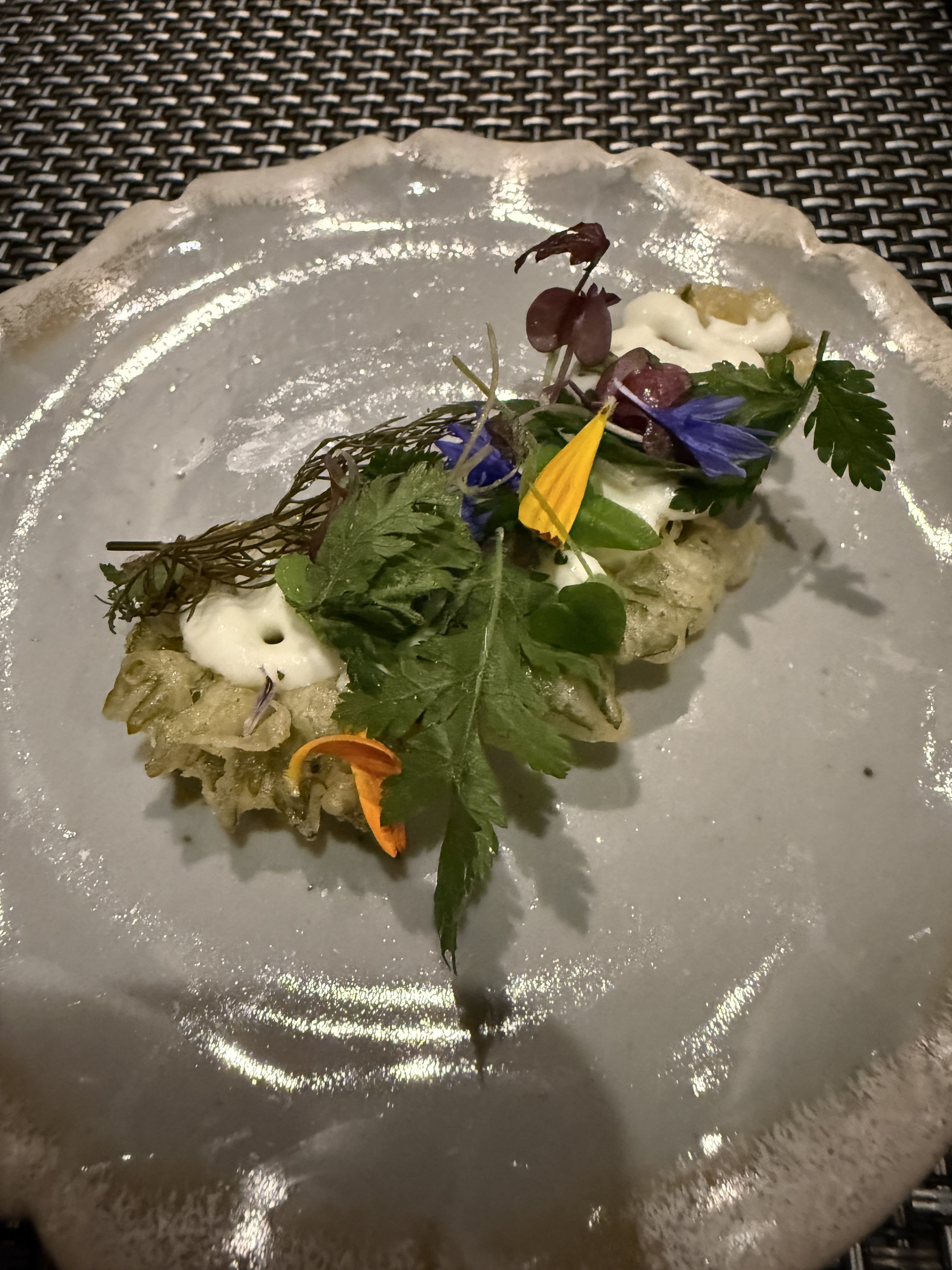
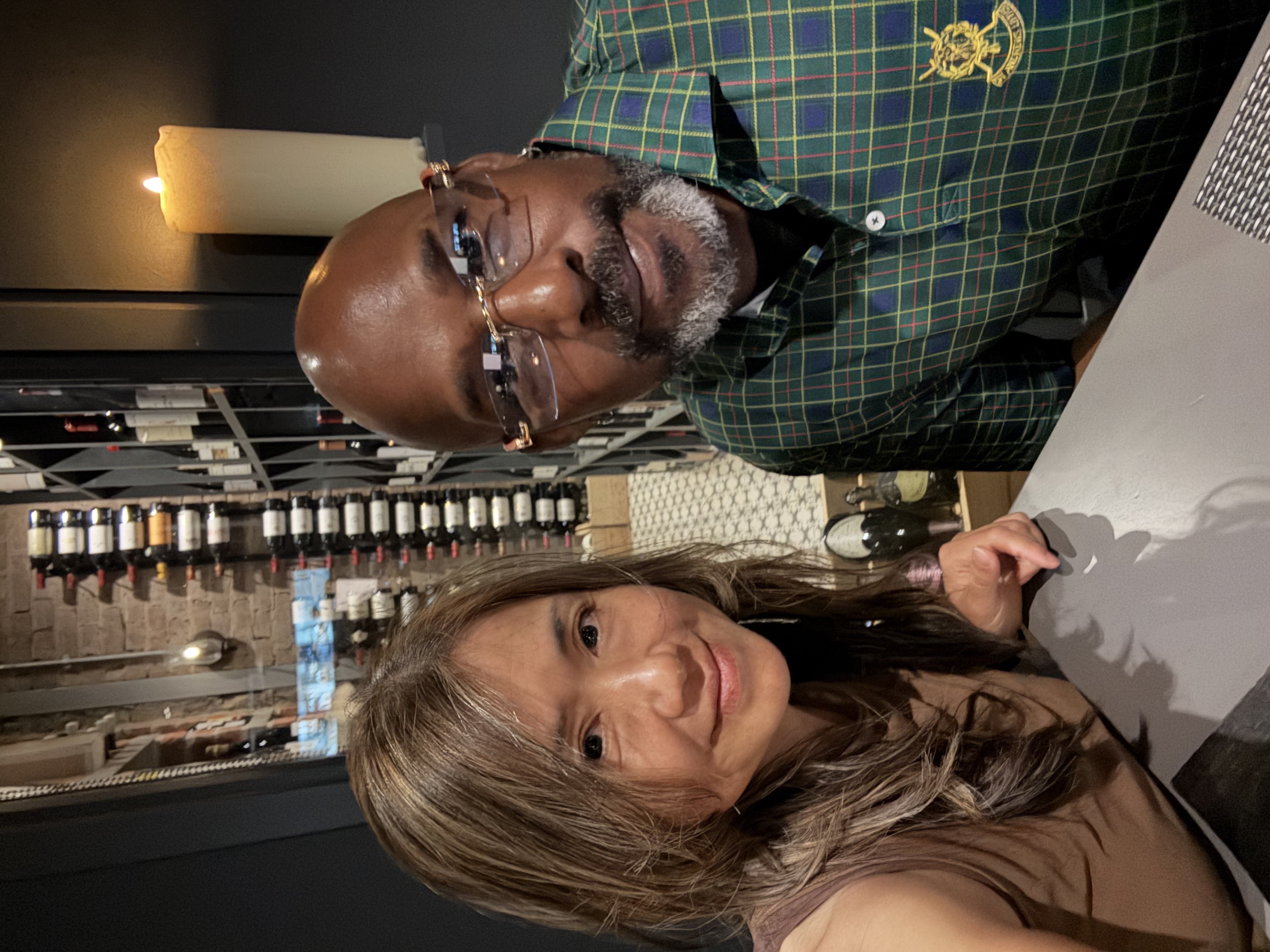
And we celebrated 30 years with dinner at The Kitchin, Tom Kitchin’s Michelin-starred restaurant - every plate a little work of art.
Coy rounded off the meal with a proper Scottish whisky - that part was strictly his.
What We Ate (and the Full Breakfast Verdict)
We ate extremely well - several special dinners, from The Three Chimneys on Skye to Michelin-starred The Kitchin in Edinburgh. The seafood on the west coast and the game meat everywhere were highlights.
But I have to give my honest verdict on the Full UK Breakfast: roasted tomato, mushroom, and black pudding. It was… not bad! Genuinely. But it’s a once-in-a-while thing for me. If I lived in the UK I’d have it occasionally, as a treat - not every morning 🙂
Looking Back
Thirty years together, and we managed to find a trip that gave each of us exactly what we love most - a mountain race for me, the Old Course for Coy - while sharing all of it: the history, the wind, the whisky, the sheep, the impossibly green hills.
What I’ll remember isn’t any single landmark. It’s the texture of the place - how the Romans built spas we’d still recognize, how the Welsh kept their language, how the British respect their mountains, how the Scots tucked a modern life inside their ancient walls. A country that holds onto its past while quietly getting on with the present.
Cheers to your next adventure, wherever the road takes you. 🥂